Imagine standing at the start of a winding trail, the landscape both exciting and uncertain. That’s what it feels like when you decide to take control of your financial future. Learning how to set investment goals isn’t just about numbers or charts—it’s about designing a path that can lead you toward peace of mind, personal fulfillment, and lasting prosperity.
Yet, for many, the concept of investing feels intimidating. The financial world can appear confusing, full of jargon and constant fluctuations. But the truth is, you don’t have to be a Wall Street expert to chart your course. What you need is a clear sense of your destination and a roadmap to get there. Setting clear, realistic investment goals is the first, crucial step.
Why Setting Investment Goals Matters
There’s a vast difference between investing without direction and investing with intention. When you have a well-defined objective in mind, every dollar you invest becomes a tool working for a clear purpose. This not only helps you choose the best investment options but also keeps you motivated, even when markets get tough.
More importantly, having strong goals gives you a reason to prioritize investing over short-term pleasures, guiding your spending decisions and keeping you committed over the long journey. Setting goals means no longer drifting aimlessly; each step you take moves you closer to realizing your dreams.
Start by Defining What Matters Most
Before diving into specific numbers, it’s vital to reflect: What do you truly want your investments to achieve? Take time to connect with your personal values and life aspirations. Are you investing so you can retire early, support your children’s education, or perhaps, purchase a home?
Your “why” is the anchor that will hold you steady when challenges arise. The stronger your emotional connection to your goals, the more likely you’ll stay the course.
- Envision your ideal life in 5, 10, or 20 years
- Consider both short-term rewards and long-term security
- Discuss your priorities with family, if your plans are shared
Assess Your Current Financial Situation
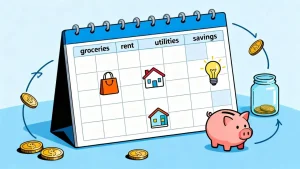
Now, look at where you are today. Honest self-assessment paves the way for honest planning. Review your income, expenses, savings, and debts. Knowing your financial starting point is essential for mapping realistic goals.
Document your assets and liabilities. This snapshot forms the foundation of any meaningful progress. You can only move forward when you understand your current position.
Match Each Goal to the Right Time Horizon
One of the most important parts of learning how to set investment goals is understanding when you will need the money. Your time horizon affects how much risk you can take and which types of investments may be more suitable.
Short-term goals usually require safer, more stable options, while long-term goals may allow for more growth-focused investments. Matching your goals to the right timeline helps you build a strategy that feels more realistic and sustainable.
- Use lower-risk options for goals you need soon
- Allow more growth potential for long-term goals
- Review timelines regularly as life plans change
When your investment choices align with your timeline, your goals become clearer and easier to manage with confidence.
Set SMART Investment Goals
The magic happens when you transform vague wishes into clear benchmarks. Use the SMART framework to sharpen your targets:
- Specific: Clarify exactly what you want to achieve
- Measurable: Define how you’ll track your progress
- Achievable: Choose goals that are ambitious yet realistic
- Relevant: Tie your goals to what really matters to you
- Time-bound: Set a clear deadline for reaching each goal
For example, rather than saying, “I want to be richer someday,” set a goal like, “I want to save $50,000 for a down payment on a house within five years.” Doing this translates your dream into an actionable plan.
Break Down Big Dreams Into Actionable Steps
Major goals can feel daunting. Instead of trying to tackle the mountain all at once, break it into manageable, smaller milestones. Each step you reach gives you momentum and a taste of success.
For example, your journey to a retirement nest egg might start with opening an IRA this year, increasing monthly contributions the next year, and periodically reassessing your investment mix. Regularly checking off these steps not only builds confidence but also creates a powerful habit of progress.
Choose the Right Investment Vehicles
Once you know both your goals and your timeline, match each goal with the right types of investments. For short-term needs, you might prioritize safety—think high-yield savings accounts or certificates of deposit. For longer horizons, growth investments like stocks or real estate may suit you better.
Consider your attitude toward risk, your available resources and time horizon. A well-balanced strategy spreads your investments across asset classes to minimize risk while maximizing growth opportunities.
Track, Adjust, and Celebrate Your Progress
Goal-setting isn’t a one-time act—it’s an ongoing process. Life shifts, markets change, and your ambitions may evolve too. Regularly revisit your investment plan, measuring your progress and making adjustments as necessary.
- Review your goals every six months or after significant life changes
- Increase contributions as your income grows
- Celebrate major milestones to maintain enthusiasm
Don’t be discouraged by setbacks. Stay patient, focused, and positive. Your small, consistent actions are building a future that reflects your deepest hopes.
Sample Investment Goal Table
To illustrate, here’s how you might organize your investment goals for clarity and motivation:
| Goal | Target Amount | Deadline | Investment Type |
|---|---|---|---|
| Emergency Fund | $10,000 | 12 Months | High-Yield Savings Account |
| Down Payment for Home | $50,000 | 5 Years | Balanced Mutual Funds |
| Retirement | $500,000 | 30 Years | Stocks, Index Funds |
Prioritize Goals So You Don’t Lose Focus
It is common to have multiple financial goals at once, but trying to give all of them equal attention can make your plan feel scattered. Prioritizing helps you focus your money and energy where they matter most right now.
For example, building an emergency fund may need to come before investing aggressively for a future purchase. Once your most urgent goals are supported, you can give more attention to long-term ambitions.
- Identify which goals are most urgent and most important
- Focus first on the goals that create financial stability
- Adjust priorities as your income and responsibilities change
Clear priorities help you stay organized, reduce overwhelm, and move forward with a stronger sense of purpose.
Stay Inspired and Committed
Every journey toward financial freedom begins with a decision to take that first step. The act of setting investment goals with clear intention not only builds wealth—but it also builds character. It molds you into someone who can dream big, act boldly, and persevere with purpose.
As you celebrate each milestone, take pride in how much you’re growing—both financially and personally. Let your ambitions lead you, and let your discipline carry you. Your future is waiting, and it’s brighter than you think.
Remember: the earlier you set your goals, the greater your reward. The best time to start is now—take a deep breath, look ahead, and stride confidently toward the life you envision.