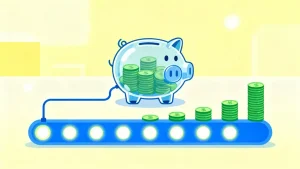

Imagine looking at your investment account after a wild market dip. Your pulse quickens, your mind replays all the negative headlines, and you feel a strong urge to sell everything. This is the emotional roller coaster every investor faces at some point.
But learning how to avoid emotional investing is one of the greatest skills you can develop—not only for protecting your portfolio but for maintaining your peace of mind.
Emotional investing is far more common than many realize. It can lead to hasty decisions, losses, and missed opportunities for growth. However, with patience, awareness, and effective strategies, you can take control of your choices and build confidence in your financial journey.
Understanding the Triggers of Emotional Investing
Emotional investing often arises from fear, anxiety, excitement, or greed. Markets are unpredictable, and human nature compels us to react to uncertainty. For many, the urge to act quickly is overwhelming when volatility strikes.
Consider a scenario where the market unexpectedly drops by 10% in a day. News reports paint a bleak future, fueling a sense of panic. Without a plan, investors may sell assets at a loss, regretting the decision later when prices bounce back.
Similarly, when the market is soaring, it’s tempting to chase returns, buy high, and overextend your risk tolerance, hoping to ride the wave upwards. Both of these scenarios are examples of emotion-driven reactions.
The High Cost of Emotional Decisions
Making investment moves based on emotions doesn’t just threaten your returns; it can sabotage your financial goals altogether. Studies show that investors who frequently buy and sell based on short-term feelings often underperform long-term investors who stick to their strategy.
Let’s break down some of the most common emotional investment mistakes:
- Selling in panic during market declines
- Buying impulsively during market rallies
- Ignoring long-term goals for short-term sentiment
- Letting media headlines dictate actions
- Discounting the power of compounding over time
Building Emotional Discipline: Practical Methods
So, how can you master your emotions and become a more rational investor? It starts with awareness, structure, and a commitment to your long-term vision.
Here are some proven strategies that can help you avoid knee-jerk reactions and promote a calm, calculated approach:
- Create a written investment plan: Outline your goals, risk tolerance, and asset allocation strategy. Refer to this plan during market upheavals, so you remain focused on the bigger picture.
- Automate your investments: Set up automatic contributions to your portfolio. This process enforces disciplined investing, regardless of what the market is doing.
- Regularly review but don’t obsess: Check your portfolio at scheduled intervals rather than daily. This reduces the temptation to react to minor fluctuations.
Successful long-term investors often set clear rules to follow, reducing the influence of short-term news. By establishing guidelines, you effectively create a safety net for your future self, providing reassurance during turbulent times.
Set Clear Entry and Exit Rules
One of the most effective ways to reduce emotional investing is to establish clear entry and exit rules before making any investment. These rules act as a guide, helping you avoid impulsive decisions during periods of market volatility.
For example, you might decide in advance to sell an asset only if it drops by a certain percentage or reaches a predefined target. Likewise, you can define when to buy based on valuation metrics rather than market hype.
- Set stop-loss or take-profit levels
- Define your ideal buying conditions
- Stick to your rules, regardless of market noise
By following predetermined criteria, you remove much of the emotional pressure and rely on logic instead of fear or excitement.
Cultivating Mindful Investing Habits
Mindful investing is more than just ignoring your emotions; it’s about understanding them and developing self-awareness. Ask yourself:
- What triggers my fear or excitement about the market?
- Am I following a thoughtful process, or just reacting?
- Do I have someone to discuss my choices with for perspective?
Conversations with a trusted advisor or friend can ground you. A different point of view can be the antidote to panic or irrational exuberance.
Turning Down the Noise
We live in a world overflowing with information. Every day brings news flashes, opinions, predictions, and market analysis. While staying informed is important, constant exposure to negativity or hype can be harmful.
Try to limit your news intake. Focus on reputable sources, and remember: headlines are designed to capture your attention, not guide sound investment choices. Silence unnecessary alerts, step back, and take the time to think independently.
Learning from History
History shows us that markets recover from corrections, crashes, and bubbles. Those who stayed the course have often been rewarded. If you need extra reassurance, look back at previous downturns and their recoveries. This perspective is one of the strongest antidotes to panic selling.
| Market Event | Year | Drop (%) | Recovery Time |
|---|---|---|---|
| Dot-Com Crash | 2000-2002 | ~49% | About 7 years |
| Financial Crisis | 2007-2009 | ~57% | About 5 years |
| COVID Crash | 2020 | ~34% | Few months |
While past performance isn’t a guarantee of future results, consistent discipline over decades has been rewarded, despite scary headlines.
Seek Support and Stay Accountable
If you struggle to stick to your plan, consider working with a financial advisor or joining a community of like-minded investors. The simple act of sharing your experiences and fears can lighten the burden of decision-making.
Professional guidance can help you maintain a steady course and ensure you’re not falling victim to short-term urges. Even just speaking with someone who’s been through market storms can reinforce your confidence.
Focus on Long-Term Metrics Instead of Daily Performance
Short-term market movements can be misleading and often trigger unnecessary emotional reactions. Instead of focusing on daily gains or losses, shift your attention to long-term performance indicators.
Evaluate your portfolio based on annual growth, consistency, and alignment with your financial goals. This broader perspective helps you stay grounded and reduces anxiety caused by temporary fluctuations.
- Track yearly or quarterly performance
- Compare results with long-term benchmarks
- Avoid checking your portfolio too frequently
By zooming out and focusing on the bigger picture, you reinforce patience and build confidence in your investment strategy.
Redefining Success: Progress, Not Perfection
No investor navigates markets perfectly. Understand that some mistakes are part of the process. The most successful investors view these as learning experiences. They measure improvement not by avoiding every pitfall, but by sticking to their principles more often over time.
Ultimately, the path to lasting financial independence is paved not just with smart moves, but with emotional wisdom. Challenge yourself to grow, reflect on your motives, and stay committed to your plan. By mastering your emotions, you unlock enduring wealth—not just in dollars, but in peace of mind.
Remember: It’s not the market’s ups or downs that define your future, but how wisely and calmly you choose to respond.