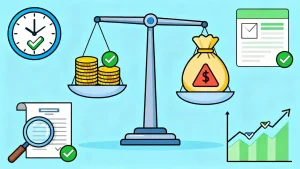

Embarking on your financial journey can be both exciting and intimidating. Whether you’re considering your first loan or credit card, understanding how to borrow responsibly is crucial for lasting financial health. In today’s complex financial world, knowing the right steps and strategies can mean the difference between freedom and stress.
This article will guide you through essential beginner tips for responsible borrowing, offering practical advice and the inspiration to make wise financial choices and lay a strong foundation for your future.
Understanding the Basics of Borrowing
Before you consider borrowing money, it’s important to grasp what borrowing truly means. Taking out a loan, using a credit card, or even financing a purchase is a commitment to repay what you owe—usually with interest—over a set period.
Treating borrowing as a serious obligation is the first step to genuine financial responsibility. When you borrow, you are making a promise, not just to the lender, but to yourself, to manage your finances with care and intention.
Deciding When (and Why) to Borrow
Not every purchase or expense justifies borrowing. Learning to distinguish between needs and wants is crucial. You might need to borrow for education, starting a business, or an unexpected car repair—but borrowing for material desires or fleeting trends can quickly spiral into debt.
Ask yourself these questions before proceeding:
- Is borrowing truly necessary, or can I save instead?
- Will this expense contribute to my long-term wellbeing?
- Can I afford regular monthly payments, even if my situation changes?
Understanding the real purpose behind a loan ensures you don’t borrow for the wrong reasons and helps you stay focused on your personal goals.
Getting to Know Loan Terms and Conditions
Every loan or credit product comes with details that will affect your financial future. Before signing any contract, it is critical to read and understand the terms and conditions.
Look for these key elements:
- Total amount you will repay including both principal and interest.
- Interest rate – Is it fixed or variable?
- Loan duration and monthly payment amount.
- Any hidden fees, penalties, or charges for early payment.
If something isn’t clear, don’t hesitate to ask questions. Fully understanding these factors before accepting a loan can save you from unexpected headaches down the road.
Borrowing Only What You Need
It’s tempting to accept a larger loan if it’s offered, but responsible borrowing means taking only what you need. The more you borrow, the more interest you pay, and the longer it takes to become debt-free.
A simple exercise can help:
| Need | Want | Affordable Borrowing |
|---|---|---|
| Tuition fees | Latest smartphone | Only enough for school costs |
| Car repair | Luxury vacation | Just what the repair costs |
Keeping your borrowing focused on real needs—rather than wants—protects you from unnecessary financial strain.
Creating a Repayment Plan
When you borrow, you must pay back—on time, every time. Setting up a clear, manageable repayment plan is your best tool for staying on track. Effective planning will help you avoid missed payments, late fees, and potential harm to your credit score.
Here are some strategies:
- Write down all payment due dates in a planner or calendar app.
- Set automated reminders or payment drafts for all obligations.
- Every month, review your income and expenses to stay prepared
This proactive approach will help you confidently handle your obligations and minimize stress.
Calculate How Much You Can Afford to Borrow
Before taking on any debt, it’s essential to understand how much you can realistically afford to repay each month. Borrowing without this clarity can quickly lead to financial stress.
A good rule is to ensure your total debt payments do not exceed a manageable portion of your income. This allows you to meet your obligations without sacrificing essential expenses or savings.
Take time to review your budget and determine a safe borrowing amount before committing to any loan.
Tracking Your Borrowing and Credit
Once you start borrowing, it’s vital to keep track of your balances and repayments. Monitoring your debt helps you maintain control and spot potential problems early.
Consider keeping a simple spreadsheet or using an app. Include:
- Type and amount of each debt (credit cards, loans, etc.)
- Due dates and minimum payments
- Current interest rates
This kind of visibility fosters strong habits and gives you peace of mind.
Common Borrowing Mistakes Beginners Should Avoid
When starting your borrowing journey, it’s easy to make mistakes that can impact your financial future. Being aware of them helps you make smarter decisions.
- Borrowing more than necessary
- Ignoring interest rates and total repayment costs
- Missing or delaying payments
- Relying too heavily on credit for everyday expenses
Avoiding these mistakes will help you build a strong financial foundation and maintain control over your debt.
Learning from Others and Asking for Advice
Responsible borrowing doesn’t mean handling everything alone. If you’re uncertain about any aspect of borrowing, seek reliable advice from trusted adults, financial advisors, or even friends with good financial habits.
Admitting you have questions is a strength, not a weakness. By learning from the experiences of others, you can avoid common pitfalls and feel greater confidence moving forward.
Building Positive Credit Habits
Your borrowing decisions today can affect your credit history tomorrow. Paying back loans and credit cards on time, borrowing only what you need, and keeping credit card balances low—all these actions gradually build a strong credit score.
Remember: Small steps today lead to greater financial freedom in the future. Responsible borrowing opens doors to better loans, lower interest rates, and more opportunities down the road.
Inspiring Yourself for a Bright Financial Future
Mastering these beginner tips for responsible borrowing isn’t just about avoiding debt. It’s about investing in your dreams and ensuring that money becomes a tool for opportunity—not a source of anxiety.
Imagine the sense of pride, relief, and hope you’ll feel knowing you are in control of your finances, no matter what challenges come your way. With every thoughtful borrowing decision, you build both character and confidence.
If you follow these steps, you’ll be empowered to borrow wisely, pay back faithfully, and pursue your goals with joy and stability.