Imagine unlocking the secrets to financial growth, where every dollar you own has the potential to multiply, and your future is brighter because you learned how investing works. This vision is within your grasp—understanding the fundamentals of investing can be a life-changing step for anyone, no matter their background or starting point.
Investing isn’t only about money—it’s about designing a life of opportunity, building confidence, and propelling yourself toward dreams you may have thought out of reach. Whether you are curious, cautious, or ready to dive in, this guide will illuminate how investing works so you can start your journey with wisdom and courage.
The Core of Investing: Making Money Work for You
At its heart, investing is using your existing resources to create more value over time. Instead of keeping money tucked away where inflation can erode its value, you can put it into various opportunities that offer potential returns, such as stocks, bonds, or real estate.
Risk and reward always move together. Higher returns generally require more risk, while steadier, safer investments tend to produce smaller, consistent gains. Learning how to balance risk and reward is the foundation for a successful investment strategy.
The Role of Time in Investing
One of the most powerful factors in investing is time. The longer your money stays invested, the more opportunity it has to grow and recover from short-term market fluctuations.
Time allows compounding to work at its full potential, turning small, consistent contributions into significant results over the years.
- Start as early as possible, even with small amounts
- Stay invested through market ups and downs
- Avoid withdrawing investments prematurely
In investing, time is not just helpful—it’s one of your greatest advantages.
Types of Investments: Building Blocks of Wealth
The most inspiring investors use various tools. Let’s break down the common investment types:
- Stocks represent shares of ownership in public companies. Prices can fluctuate widely, but over the long term, growth is possible.
- Bonds offer fixed interest payments on loans to companies or governments. They are typically safer but offer modest returns.
- Mutual funds and ETFs pool resources from many investors to buy a mix of stocks, bonds, or other assets. This offers diversity and professional management.
- Real estate involves owning physical property such as homes or commercial buildings. It can generate ongoing rental income or appreciate in value over time.
Each type of investment comes with its unique blend of potential reward and risk, and the most resilient portfolios usually contain a balanced mix across different categories.
Why People Invest: Motivation Beyond Money
The journey is not just about finance. Learning how investing works can unlock:
- Financial freedom: The ability to make choices without being held back by money concerns.
- Peace of mind for emergencies: Savings and investments can cover life’s unavoidable surprises.
- Growth for future generations: Investing can help you provide for your children or loved ones, creating a legacy.
- The thrill of achievement: Watching your investments grow can be deeply rewarding and motivating.
Let your personal goals fuel your investment journey. A clear “why” will keep you focused during ups and downs.
The Process: How to Start Investing With Confidence
Many beginners hesitate, fearing complexity or mistakes. Here is a step-by-step approach to get you moving:
- Set clear goals. Do you want short-term gains or long-term security? Define your ambitions, like growing a nest egg for retirement or saving for a dream home.
- Understand your risk tolerance. How comfortable are you with seeing your investments go up and down in value?
- Educate yourself. Read, watch reputable sources, and consider connecting with financial professionals.
- Choose the right account. Investment accounts, like IRAs or 401(k)s, can offer tax advantages.
- Start small if needed. You don’t need large sums. Many platforms allow you to begin with low minimums.
- Automate your investments. Regular, automatic contributions build your portfolio steadily, smoothing out market ups and downs.
- Monitor, learn, and adjust. Review progress periodically, but don’t react emotionally to short-term market swings.
Common Mistakes to Avoid: Lessons From Experience
Even the greatest investors make mistakes. However, you can learn from others and avoid the most frequent pitfalls:
- Trying to time the market perfectly (nearly impossible, even for professionals).
- Putting all your money into one stock or asset (lack of diversification increases risk).
- Letting emotions drive buying or selling decisions (fear and greed can sabotage growth).
- Ignoring fees and expenses that eat returns over time (even small fees compound).
Patience, discipline, and a focus on long-term growth rather than quick wins are key habits of successful investors.
The Engine of Investing: Compounding Returns
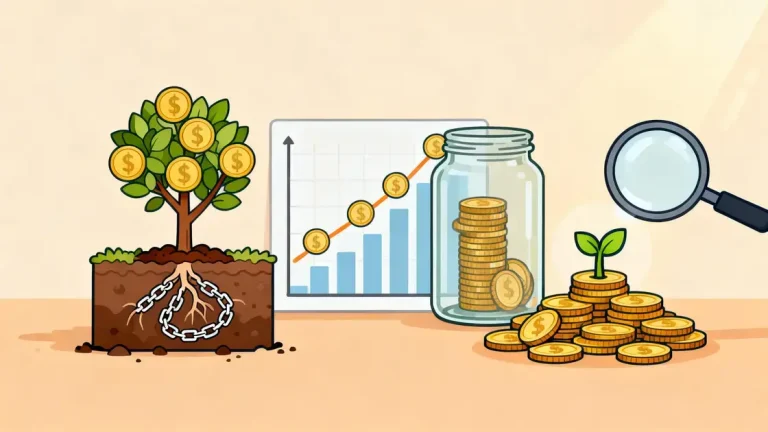
If you want inspiration, look no further than the power of compounding. Compounding means your money not only earns returns, but over time, those returns earn more returns. This is how small, regular investments can grow into substantial wealth.
For example, investing $100 a month with an average 7% return can result in more than $12,000 after just eight years. The secret is starting early and letting time do the heavy lifting for your financial goals.
How Diversification Supports Stability
Diversification plays a crucial role in how investing works by spreading your money across different types of assets. This helps reduce the impact of any single investment performing poorly.
Instead of relying on one stock or asset, a diversified portfolio allows different investments to balance each other over time.
- Invest across multiple asset classes like stocks and bonds
- Include different industries and regions
- Review and rebalance your portfolio periodically
By diversifying, you create a more stable and resilient investment strategy that can better withstand market fluctuations.
Inspiration: Transformational Stories and You
Many ordinary people have transformed their lives by learning how investing works and taking action. School teachers, young professionals, and single parents alike have reached unimaginable goals through steady investment and unwavering resolve.
The journey might not always be easy. Markets go up and down. But with every investment, you’re not just chasing numbers—you’re building strength, learning resilience, and creating opportunity where once was worry.
The first step is always the hardest, and yet, it’s the most important. Today can be the moment you stop wondering if financial growth is possible and start making it happen. Let the power of investing guide you to the transformation you deserve!