
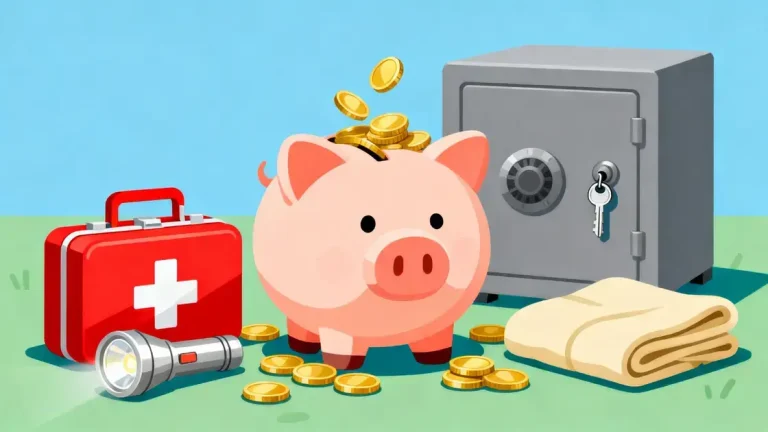
Life has a way of sending us unexpected surprises—car breakdowns, medical bills, or sudden job loss. In these moments, having a financial buffer can make all the difference. Savings dedicated for emergencies are not just about money; they’re about peace of mind and freedom from worry.
But how do you realistically build this safety net when every dollar counts? Let’s explore the practical, human steps to truly mastering how to save money for emergencies, bringing you lasting security and empowerment.
Understanding the Importance of an Emergency Fund
Why is having money tucked away for crises so essential? Financial setbacks rarely announce themselves. One day you’re on track, and the next, you’re faced with an unforeseen expense that threatens your stability.
An emergency fund acts like a financial life jacket. It protects you from falling into debt when hardships arise. More than numbers in a bank, it’s an emotional assurance that you can weather any storm life throws your way—without resorting to credit cards or loans.
Setting a Clear and Achievable Savings Goal
The journey begins with a goal, but knowing how much to save often leaves people puzzled. The traditional advice is to set aside three to six months’ worth of living expenses. But if that feels daunting, start smaller. The key is to build slowly and steadily, letting momentum stand in for motivation.
Begin by calculating your essential monthly costs—rent or mortgage, utilities, food, transportation, and insurance. Multiply the total by three and by six for range. Setting a target—even if it’s $500 or $1,000 at first—creates a realistic first milestone and gives you direction.
Making Room in Your Budget: Practical Strategies
Most people believe they can’t save because their expenses eat up all their income. Yet, subtle tweaks and new habits can reshape your financial priorities. Here’s how you can begin:
- Track every expense for one month—you’ll discover surprising spending patterns.
- Use a simple budget to outline your monthly income and outgo.
- Identify “leaks” such as unused subscriptions, excessive takeout, or impulse buys.
- Challenge yourself to “no-spend” days or weeks.
- Redirect any freed-up funds straight into your emergency savings.
Think of cutting expenses not as deprivation, but as clearing the path for your future self—someone capable, secure, and unburdened by money stress.
Start Small: The First $500 Matters Most
When building an emergency fund, the first milestone is often the most powerful. Saving your first $500 may not seem like much, but it can cover many common emergencies like minor car repairs or unexpected bills.
Focusing on this smaller goal makes the process feel achievable and keeps you motivated. Once you reach it, you’ll gain confidence and momentum to keep going.
Instead of aiming for thousands right away, concentrate on this first step. It’s proof that you’re capable of building financial security, one dollar at a time.
Automating and Prioritizing Your Savings
Want saving to stick? Automate it. Treat your emergency fund like a non-negotiable bill. Set up direct deposit or recurring transfers from checking to savings every payday, even if the amount is small. This breaks the habit of waiting to save “what’s left over.”
Small, consistent contributions will grow your savings quietly in the background. Over time, your account will surprise you. Celebrating each milestone, even if it’s the first $100 or $500 saved, will help reinforce your progress and commitment.
Where Should You Keep Emergency Savings?
Your emergency fund should be accessible but not easily dipped into for non-urgent needs. A dedicated high-yield savings account is often best—separate from your checking account but readily available in a true emergency.
Consider these factors when choosing where to stash your fund:
- Interest rates that outpace inflation, when possible
- Easy online transfers to access funds quickly if required
- Low or no fees and minimum balance requirements
Avoid locking these funds in investments or accounts with withdrawal penalties. The priority is quick access without temptation to spend on non-emergencies.
Creative Ways to Boost Emergency Savings Faster
Sometimes, traditional budgeting isn’t enough. Side hustles, windfalls, or even small lifestyle changes can give your emergency fund a boost. Here are a few ideas:
- Turn unused items into cash through online resale platforms.
- Channel bonuses, tax refunds, or cash gifts directly into savings.
- Start a micro-business or gig like pet sitting, tutoring, or freelancing.
- Round up your purchases and automatically save the difference with banking tools.
These methods won’t make you rich overnight, but they can shorten the journey to a robust emergency fund and add a layer of pride to your accomplishment.
Common Mistakes to Avoid When Saving for Emergencies
Even with the best intentions, some habits can slow your progress or put your savings at risk. Being aware of these mistakes helps you stay on track.
- Using your emergency fund for non-urgent expenses
- Keeping savings too accessible and easy to spend
- Setting unrealistic savings goals and giving up too quickly
- Not rebuilding the fund after using it
Avoiding these pitfalls will help you protect your savings and maintain a strong financial safety net over time.
Cultivating a Mindset of Security and Hope
Building an emergency fund is as much emotional as it is practical. There will be setbacks: car repairs, medical co-pays, or family emergencies may empty the account from time to time. But each time you rebuild, you’re teaching yourself resilience.
Remember, financial progress isn’t always linear. What matters is your commitment to getting back on the horse and continuing to save. Track your journey in a journal or share milestones with supportive friends or family.
A Snapshot: Building Your Emergency Fund Over Time
Below is an example plan showing how consistent contributions can build a basic emergency fund over just one year:
| Monthly Savings Amount | Total After 6 Months | Total After 12 Months |
|---|---|---|
| $50 | $300 | $600 |
| $100 | $600 | $1,200 |
| $200 | $1,200 | $2,400 |
This table demonstrates that steady, manageable contributions really add up. No windfalls required—just consistency and dedication.
Final Thoughts: Your Emergency Fund Is Your Freedom
Learning how to save money for emergencies gives you more than financial comfort; it brings confidence, independence, and the freedom to face life head-on. Even if the journey is slow, every dollar saved is an act of courage and self-respect.
Start now, however small, and revisit your goals every few months. Forgive setbacks and celebrate wins. Remember, you’re not building “just” a fund—you’re investing in yourself, your loved ones, and your peace of mind.
Your safety net is within reach, and with patience, focus, and these practical steps, your future will be stronger than ever.