Does the end of the month often bring anxiety as you wonder where your money went? Learning how to plan monthly expenses is more than just keeping your lights on—it’s the first step to financial stability, peace of mind, and achieving your dreams.
Imagine living a life where every dollar has a purpose, and you have the freedom to make choices that align with your values and goals. With thoughtful planning, this can become your reality.
The Importance of Planning Your Monthly Expenses
Many people underestimate the power of a well-crafted expense plan. Consistently tracking and managing expenses brings clarity to your finances. It allows you to identify waste, channel resources toward your priorities, and build a safety net for the future.
Without a plan, financial stress can quickly compound. Bills pile up, unexpected costs create havoc, and the sense of control slips away. This emotional burden is unnecessary—by taking charge today, you can prevent tomorrow’s worries.
Assessing Income: Know What You’re Working With
Before you can allocate your funds, gain a clear picture of where your money comes from. Add up your net income—this is the amount you take home after taxes and deductions.
- Include all sources: salary, side jobs, gig work, government benefits, or investments.
- If your income varies, calculate an average based on the past six to twelve months.
- Be conservative in your estimates—overestimating can throw off your entire plan.
Knowing your real starting point is the foundation for all spending decisions.
List and Categorize Monthly Expenses
Expenses typically fall into two categories: fixed (unchanging every month) and variable (fluctuate month to month).
- Fixed: rent/mortgage, car payments, insurance premiums, subscriptions.
- Variable: groceries, utilities, gas, entertainment, dining out.
Be honest about your spending. Collect statements and receipts from previous months to see your patterns in black and white. This step may be eye-opening, even unsettling, but it’s essential for lasting change.
Set Realistic Financial Goals
Budgeting isn’t just about restriction; it’s about freedom. Define your short-term and long-term goals. Maybe you want to:
- Build an emergency fund.
- Save for a family vacation.
- Pay off debt faster.
- Start investing for the future.
Clear goals guide your budgeting priorities, making it easier to say no to “wants” in favor of meaningful progress.
Create Your Monthly Budget Plan
Now it’s time to allocate every dollar of your income. There are several approaches, including the 50/30/20 rule:
| Category | Percentage of Income | Description |
|---|---|---|
| Needs | 50% | Essentials like housing, food, utilities, and transportation |
| Wants | 30% | Non-essentials: dining out, hobbies, entertainment |
| Savings & Debt Payments | 20% | Emergency fund, retirement, paying down debts |
Adjust these percentages as needed to suit your unique situation. For example, someone aggressively paying down debt may allocate more than 20% to that category. Remember, the key is to make intentional decisions for all your money before the month begins.
How to Handle Unexpected Expenses Without Breaking Your Budget
Even the most detailed budget can be disrupted by unexpected expenses. Car repairs, medical bills, or sudden home costs can quickly throw off your plan if you’re not prepared.
To stay in control, build a small buffer into your monthly budget. This can be a fixed amount set aside specifically for surprises.
If an unexpected expense occurs, adjust other non-essential categories temporarily instead of abandoning your entire budget.
Planning for the unexpected helps you stay consistent and avoid unnecessary stress when life doesn’t go as planned.
Track Your Expenses in Real Time
Planning your expenses is only effective if you hold yourself accountable to the numbers. Choose a system that fits your lifestyle:
- Budgeting apps that link to your bank accounts.
- Spreadsheets that you update daily or weekly.
- Envelope systems for cash-based budgeting.
Review your progress at least weekly. Small regular check-ins are less intimidating than a monthly overhaul and let you catch overspending early.
Adjust and Improve Each Month
No plan is perfect, especially at the start. Use what you learn every month to refine your approach. Life changes—jobs shift, bills arise, goals evolve. Your budget should flex to reflect your current reality.
Celebrate your wins, however small. Did you spend less eating out this month? Finish a month in the black? Every successful step builds confidence and creates momentum for improvement.
Common Budgeting Pitfalls—And How to Avoid Them
Even the best intentions can go astray. Look out for these common mistakes:
- Forgetting occasional expenses (car maintenance, gifts, annual fees).
- Being too restrictive and causing burnout.
- Neglecting to track small purchases that add up over time.
- Not adjusting your plan as your life changes.
By watching for these traps, you give yourself space to grow and thrive, not just survive.
Empowering Tools for Smarter Expense Planning
Support your journey with practical tools. Digital apps, printable worksheets, and even old-fashioned notebooks can all help. What matters most is consistency and honesty with yourself. Some options include:
- Automatic spending trackers linked to your accounts.
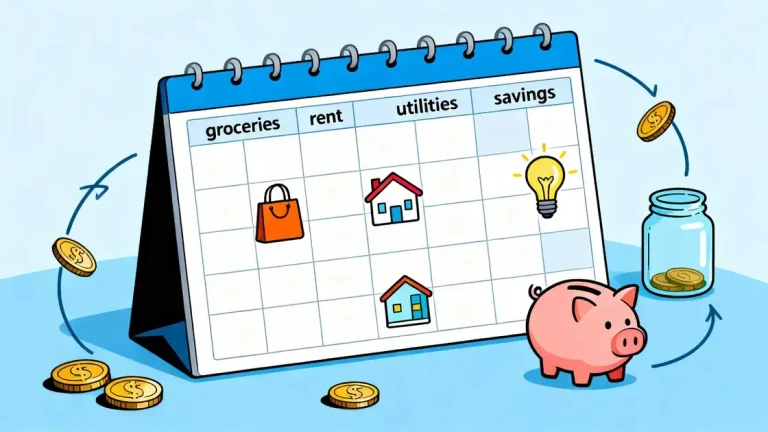
- Personal budget calendar with due dates for bills.
- Spreadsheets that let you analyze spending trends over months and years.
The right tool is the one that you’ll use consistently. Experiment until you find your perfect match.
How to Stay Consistent with Your Monthly Budget
Creating a budget is only the first step—sticking to it is where real progress happens. Consistency comes from building simple routines and staying aware of your financial habits.
Schedule a weekly check-in to review your spending and compare it with your plan. This helps you make quick adjustments before small issues become bigger problems.
Keep your goals visible, whether in a notebook or on your phone. When you remember why you started, it becomes easier to stay disciplined.
Over time, consistency turns budgeting from a chore into a natural part of your routine.
Take Charge of Your Future
When you master how to plan monthly expenses, you’re not only keeping the lights on—you’re creating a path to the life you envision. The journey starts with a single step and gets easier with every decision made thoughtfully and purposefully.
Remember, every dollar you manage wisely today builds the foundation for your financial peace tomorrow. Start small, stay committed, and let the momentum carry you toward your goals. This is your path to balance and freedom.