In today’s fast-paced world, many of us carry more than one credit card. The allure of reward points, cashback perks, and travel benefits, along with the convenience of flexible spending, is simply irresistible. However, the excitement can quickly turn into stress if you lose track, miss payments, or let debt accumulate.
The good news? You don’t need to be a financial wizard to master the art of managing multiple credit cards. With some smart strategies and disciplined habits, you can turn your collection of plastic into a tool for financial growth and peace of mind.
This guide will empower you with practical tools, creative approaches, and the motivation to make your credit cards work for you, not against you. Let’s explore how you can confidently handle multiple credit cards while building a brighter financial future.
Get Organized: The Foundation of Credit Card Management
The first and most crucial step is getting organized. Juggling several cards can lead to confusion, especially if they have different payment due dates, credit limits, and reward structures. Conquer this chaos with effective systems.
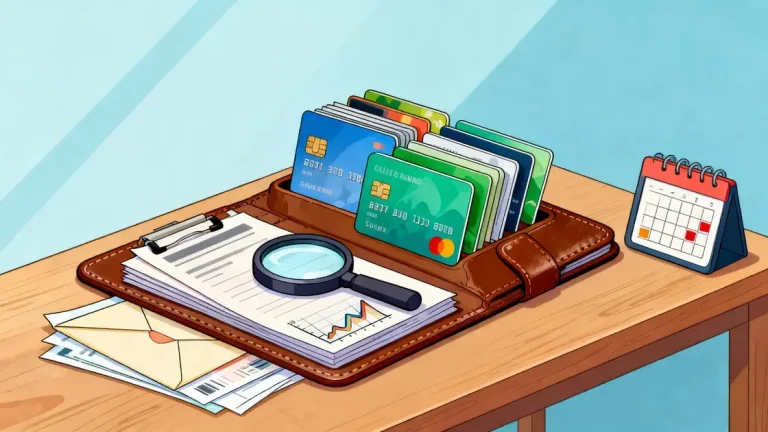
Start by listing each credit card you own: include the issuing bank, the card’s last four digits, due dates, credit limits, interest rates, and special features. Use a secure spreadsheet, a dedicated finance app, or a reliable notebook—whatever works best for you.
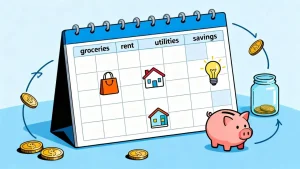
- Sync payment due dates where possible by contacting your card issuer. It’s much easier to remember one or two due dates than several scattered dates throughout the month.
- Set up automatic payments for at least the minimum balance to avoid late fees and credit score dips. Then, set separate reminders for full payments, if possible, to avoid interest.
- Color-code or label your cards based on their features (cashback, travel, balance transfer, etc.) for quick reference.
By reducing mental clutter, you’ll make fewer mistakes and manage your cards with much more confidence.
Group Your Cards by Purpose
Managing multiple credit cards becomes much easier when each card has a clear role. Instead of using all cards randomly, assign a specific purpose to each one based on its benefits and your spending habits.
This approach reduces confusion and helps you stay intentional with every purchase.
- Use one card for everyday expenses like groceries and bills
- Assign another for travel or larger planned purchases
- Keep one card reserved for emergencies only
When each card has a defined function, you avoid overlap, track spending more easily, and make better financial decisions overall.
Smart Spending: Mastering Rewards Without Risks
Credit cards can be a pathway to amazing rewards, travel perks, and purchase protections. But, the key to winning with rewards is never carrying a balance or letting points dictate your spending decisions.
Decide on the specific purpose for each card. For instance, you might use one card for groceries (for extra cashback), another for business expenses (for travel points), and a third for online shopping (for added security and purchase protection).
- Review each card’s benefits and use them where they align with your natural spending.
- Avoid chasing points by making unnecessary purchases.
- Track reward expirations, and redeem valuable perks before they’re lost.
The goal is to let your existing spending habits drive your credit card use, not the other way around. That’s how you maximize value without slipping into debt.
Stay Accountable: Taming Balances and Preventing Debt
The biggest risk with having multiple credit cards is falling into the debt trap. An increasing balance on multiple cards can quickly become overwhelming, especially once interest charges pile up.
To avoid this, make it a habit to review your statements every month. Watch for unfamiliar charges that could be fraudulent, as well as recurring subscriptions that no longer serve you. If you tend to carry a balance, prioritize paying off the card with the highest interest rate first, while making at least the minimum payment on the others.
| Card Name | Interest Rate (%) | Typical Balance | Due Date |
|---|---|---|---|
| Gold Rewards | 20.99 | $850 | 5th |
| Cashback Plus | 16.99 | $420 | 21st |
| Travel Elite | 18.24 | $1,200 | 15th |
A simple table like the one above can help you visualize your obligations and prioritize payments.
Protect Your Credit: Monitoring and Maintenance
Managing multiple cards means regularly keeping an eye on your overall credit health. Acquiring new cards or missing payments can impact your credit score, a vital indicator for future loans or big purchases.
Use free or low-cost tools to check your credit report annually. Don’t be afraid to dispute errors or unauthorized accounts. If you close a card, consider how it will affect your average account age and total available credit, as both factors influence your score.
- Keep old accounts open when it makes sense, unless there are annual fees for unused cards.
- Don’t apply for too many new cards at once, as each application results in a hard inquiry.
Strong credit is built by responsible usage, punctual payments, and keeping balances low compared to your credit limits.
Limit the Number of Active Cards You Use
While having multiple credit cards can be beneficial, using all of them regularly may increase complexity and the risk of mistakes. A smart strategy is to actively use only a few cards while keeping others as backup or for specific situations.
This reduces the chances of missed payments, overspending, and confusion when managing balances.
- Focus on 2–3 main cards for regular use
- Keep additional cards inactive but open if they have no annual fee
- Review inactive cards occasionally to ensure they remain secure
By limiting the number of cards you actively use, you simplify your financial routine and maintain better control over your credit.
Real-Life Inspiration: Building Financial Confidence
Embracing multiple credit cards doesn’t have to be stressful. Many individuals use their cards strategically to budget, build wealth, and even achieve their dreams. Imagine using rewards to fund a family vacation, getting 0% APR on a crucial purchase, or leveraging credit for business growth.
It’s not about the number of cards—it’s about having a plan and sticking to it. Empower yourself by celebrating small wins. Did you pay off a balance? Did you redeem the perfect reward? Recognize the progress, and don’t let a stumble derail your journey.
Most importantly, don’t be afraid to seek help. If you’re feeling overwhelmed, talk to a trusted financial professional or leverage helpful online resources for guidance.
With every smart step, you forge a path of security, flexibility, and confidence. Managing multiple credit cards may seem daunting, but with the right attitude and approach, you turn a potential stressor into an opportunity for prosperity.
Remember, credit cards are powerful tools. By mastering them, you truly unlock the door to financial success!