
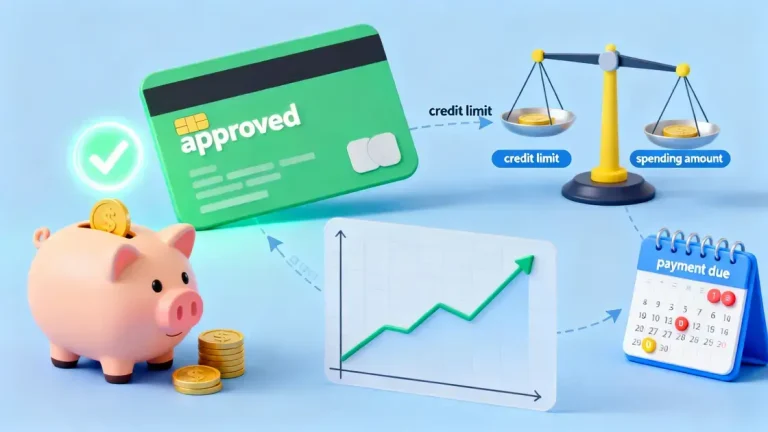
How to use credit without overspending is a question many of us try to answer as we navigate the tricky world of credit cards and personal finance. In a society where purchases are easier than ever, our willpower is tested every time we swipe, click, or tap. Harnessing credit’s benefits—without falling into the common trap of debt—demands both knowledge and intention.
This journey isn’t just about restrictions or dry financial rules. Instead, it is about empowering yourself to take smart control of your money, building a life of freedom, and nurturing habits that foster stability and peace of mind. Unlocking the secrets to responsible credit use can transform your approach to spending and shape your financial future for the better.
Understanding the Psychology Behind Credit Spending
Before you can master how to use credit without overspending, you must understand why credit cards tempt many people to go beyond their means. Credit doesn’t feel like real money, and purchases made on credit often seem less “painful” than those paid with cash. Psychologically, the delay between buying now and paying later can fool us into taking on more than we should.
Advertisers, social media, and even peers can also influence our spending choices, making it harder to resist temptation. The convenience and instant gratification of credit purchases can easily mask the eventual reality: debt and stress.
But here’s the uplifting truth—awareness of these triggers is your first step toward using credit wisely. By understanding your motivations and the psychological traps, you give yourself the power to make better decisions.
Setting Credit Limits With Intention
A crucial part of how to use credit without overspending is to ensure your credit limit matches your actual budget—not just what the bank offers. If your credit card allows a $10,000 limit, that doesn’t mean you should ever come close to spending that much.
Consider these ways to set intentional limits:
- Determine your monthly budget before you spend.
- Set a personal goal to keep your balance below a certain percentage of your limit (ideally under 30%).
- Contact your card issuer to lower your limit if the temptation is too strong.
Self-imposed boundaries reflect your commitment to financial health and responsibility. These aren’t about restriction but protection, much like a seatbelt keeps you safe—so you can keep moving forward with peace of mind.
Creating a Simple Budget That Works
Budgeting does not have to be complicated or overwhelming. In fact, clarity in budgeting brings freedom and confidence to your spending decisions. Track your expenses and income, categorize your spending, and review your habits at the end of each month.
You can use budgeting apps, simple spreadsheets, or even a notebook. The key is consistency and honesty—record every transaction, no matter how small. This brings attention to hidden patterns that quietly cause overspending.
A sample monthly budget might look like this:
| Category | Monthly Limit | Actual Spent |
|---|---|---|
| Groceries | $400 | $385 |
| Utilities | $150 | $145 |
| Dining Out | $100 | $120 |
| Entertainment | $80 | $70 |
| Miscellaneous | $50 | $45 |
Reviewing these figures visually helps you spot which areas need adjustment. If you overspend in one category, make adjustments the next month.
Separate Needs From Wants Before Using Credit
One of the smartest ways to use credit without overspending is to pause before each purchase and decide whether it is a need or a want. This simple habit creates awareness and helps you avoid using credit for things that do not truly fit your budget.
Essential expenses like groceries, utility bills, or planned transportation costs are very different from impulse purchases or lifestyle upgrades. When you learn to recognize that difference, your credit decisions become more intentional.
- Use credit first for planned and necessary expenses
- Question non-essential purchases before checking out
- Give yourself time to think before buying wants
This extra moment of reflection can help you protect your finances and keep your spending aligned with your priorities.
Tracking Spending in Real Time
It’s easy for small charges to add up, causing surprise or regret at the end of the month. The solution? Regularly monitor your balance and spending. Many credit card apps or online accounts let you set alerts for certain spending thresholds, so you’re never caught off guard.
Carrying a notebook or using your phone to log daily expenses makes you conscious of every dollar leaving your account. This mindfulness leads to better choices—not just with credit, but across your entire financial life.
You might like to try these proactive habits:
- Review card statements at least once a week.
- Set automatic notifications for purchases or balances.
- Immediately record each purchase, either digitally or manually.
Building Positive Credit Habits
Your goal is not to avoid credit altogether, but to harness its benefits without its risks. Responsible use can actually boost your credit score, unlock rewards, and prove vital in emergencies. Here’s how to strengthen your credit habits:
- Always pay more than the minimum balance, ideally the full amount, each month.
- Use your card only for planned purchases within your budget.
- Avoid cash advances, as these often come with high interest rates.
- Resist impulse buying—give yourself 24 hours to decide on non-essential items.
Consistency and discipline over time will help you enjoy the security and freedom that come from healthy credit use.
Create Personal Rules for Everyday Credit Use
Clear personal rules can make credit easier to manage because they remove guesswork from your spending decisions. Instead of relying only on self-control in the moment, you create a system that guides your behavior automatically.
For example, you may decide to use your credit card only for budgeted purchases, only for one spending category, or only when you know the full balance can be paid at the end of the month.
- Set a monthly spending cap for credit purchases
- Use your card only for categories you have already planned for
- Review your rules regularly and adjust them if needed
Personal spending rules help you stay disciplined, reduce impulse buying, and use credit as a tool instead of a temptation.
The Power of Reflection and Adjustment
Even with the best intentions, there might be months where you slip up and spend more than planned. The most important thing is to notice, reflect, and adjust.
Review your mistakes without judgment. Instead, celebrate your progress and let setbacks guide your next step. Your financial resilience will grow as you continue learning and adapting.
Inspiration for Lifelong Success
Picture a life where you control your credit—not the other way around. With every conscious choice, you build lasting habits that drive you closer to your goals. Freedom from debt, a sense of accomplishment, and financial security are within your reach.
Becoming wise with credit is not about deprivation—it’s about empowering yourself to create possibilities for your dreams, your family, and your future. Your journey begins today.
Start small, stay consistent, and remember: you have the power to use credit without overspending and to shape your financial destiny every single day.