
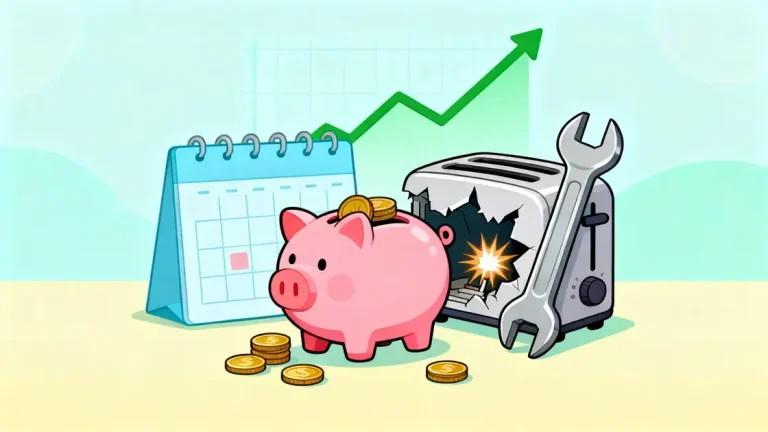
Life can throw financial curveballs when we least expect them. Whether it’s a sudden medical bill, a car breakdown, or an urgent home repair, unexpected expenses often arrive without warning and can easily disrupt your budget.
While these surprises may feel overwhelming, knowing how to handle unexpected expenses can make all the difference between financial chaos and graceful recovery.
This guide will walk you through practical steps, mindset shifts, and strategies to not only cope with but grow beyond every surprise that comes your way. Get ready to turn anxiety into action and stress into confidence.
Understand the Psychology of Financial Surprises
Before tackling an unexpected bill, pause to acknowledge your initial emotional response. Worry, panic, or denial is completely normal. However, learning to separate emotion from action is crucial, as a calm mind will help you make better decisions.
When stress floods in, take a moment to breathe and assess your situation. Remember, you’re not alone. Most people experience financial setbacks at some point, and each challenge offers a valuable lesson in resilience and resourcefulness.
Assess the Urgency and Impact of the Expense
Next, it’s important to evaluate exactly what you’re dealing with. Ask yourself:
- Is this a true emergency, or can it wait?
- Will delaying the expense lead to bigger problems?
- How much do you need to pay immediately?
| Type of Expense | Immediate Action Needed? | Potential Long-term Impact |
|---|---|---|
| Medical Emergency | Yes | Health and financial risks |
| Car Breakdown | Depends | Loss of transportation |
| Home Repairs | Sometimes | Property damage, safety risks |
Sorting expenses by priority ensures that you address what truly matters first and avoid making hasty decisions that could lead to bigger issues later.
Create an Immediate Financial Action Plan
Start by looking at your current cash flow. Assess your bank balances and any available resources. If possible, earmark a portion of your emergency fund or savings for critical expenses.
If you don’t have savings specifically set aside, you’re not alone. Even small steps taken now can make a significant difference. Consider these actions:
- Pause or minimize non-essential spending, such as dining out or entertainment
- Contact creditors or service providers—many offer short-term relief or payment plans
- Sell unused items online or through a yard sale for quick cash
The key is to take control of your spending immediately so the problem doesn’t snowball.
How to Avoid Going Into Debt During Emergencies
When unexpected expenses arise, it can be tempting to rely on credit cards or high-interest loans. While sometimes necessary, this approach can create long-term financial pressure.
Before turning to debt, explore alternatives such as adjusting your current budget, negotiating payment terms, or using available savings.
If borrowing is unavoidable, compare options carefully and choose the one with the lowest cost and most flexible repayment terms.
Being cautious with debt during emergencies helps protect your financial stability after the situation is resolved.
Explore Extra Sources of Emergency Funds
If your budget is stretched thin, get creative about finding extra resources:
- Tap into side gigs or short-term work like rideshare driving or freelancing
- Check if friends or family can help, even with a small interest-free loan
- Utilize community resources, such as local charities or assistance programs
Remember, asking for help is a sign of strength, not a weakness. Many organizations and people understand that life happens and are willing to support those facing hard times.
How to Prioritize Payments During a Financial Emergency
When money is tight, knowing which expenses to pay first is essential. Not all bills carry the same level of urgency or consequences.
Focus first on critical needs such as housing, utilities, food, and transportation. These are essential for your daily life and stability.
Next, review any debts with serious penalties for late payments, such as loans that may impact your credit score or lead to additional fees.
Less urgent expenses, like subscriptions or non-essential services, can often be paused or delayed temporarily while you recover financially.
Reframe Your Mindset for Courage and Growth
Facing unexpected expenses is just as much about mindset as it is money. Instead of seeing these events as setbacks, view them as opportunities to learn about your financial habits and build new strengths.
Here are some thoughts to keep you motivated:
- Each challenge prepares you for greater financial independence
- You’re developing practical problem-solving abilities
- Handling adversity builds your confidence for the future
Review and Strengthen Your Emergency Preparedness
Once the immediate crisis is under control, take time to reflect. Review what worked and what didn’t. Ask yourself:
- Were you able to access funds quickly?
- Did you have a backup plan for emergencies?
- How could your budget be improved to allow more flexibility?
Start setting aside a small amount each month—no matter how little—for an emergency fund. Automate transfers so you’re not tempted to skip saving.
Over time, even modest, consistent steps can buffer you from future financial shocks and help you feel more secure and confident.
Healthy Habits for Managing Future Surprises
Building long-term security starts with daily choices. Here are foundational habits that will prepare you for whatever comes next:
- Regularly track your income and expenses
- Adjust your budget seasonally or when life circumstances change
- Review insurance to make sure you’re not under- or over-insured
- Celebrate progress and update your financial goals
Financial confidence grows with each step you take toward preparation and self-knowledge. Over time, what once felt intimidating becomes manageable, and even empowering.
How to Build a Financial Buffer Over Time
One of the best ways to reduce the impact of unexpected expenses is to gradually build a financial buffer. This doesn’t have to happen overnight.
Start by setting aside a small, consistent amount each month. Even modest contributions can grow into a meaningful safety net over time.
Consider keeping this buffer in a separate account to avoid using it for everyday spending.
As your financial situation improves, increase your contributions and aim for several months of essential expenses.
Your Journey Beyond the Unexpected
You might not be able to predict every surprise life throws your way, but you can decide how you’ll respond. By building resilience, taking immediate action, and fostering a learning mindset, you transform each financial challenge into an opportunity for growth and strength.
Remember, every journey through difficulty is a step toward greater wisdom and stability. The next time an unexpected expense arises, you’ll meet it with clarity, confidence, and the knowledge that, with the right tools, you are more than prepared.