
Balancing several loans can feel overwhelming, especially when you’re juggling due dates, interest rates, and monthly payments. For many, the stress of seeing multiple bills arrive each month becomes more than just a financial burden—it’s an emotional one, too.
But what if you could turn this challenge into an opportunity for growth and control? Learning how to manage multiple loans efficiently isn’t just possible; it’s empowering.
This guide will walk you through techniques and habits that can bring clarity and confidence to even the most hectic of financial situations. No matter how many loans you have, you can reclaim your sense of peace and start building toward a brighter future.
Understanding Your Loan Landscape
First, you need a clear picture of exactly what you owe. Often, multiple debts blend together in your mind, making it hard to know where to start.
Gather information on all your loans, including:
- Outstanding balances on each loan
- Monthly payment amounts and due dates
- Interest rates
- Loan types (personal, auto, student, etc.)
- Lender contact information
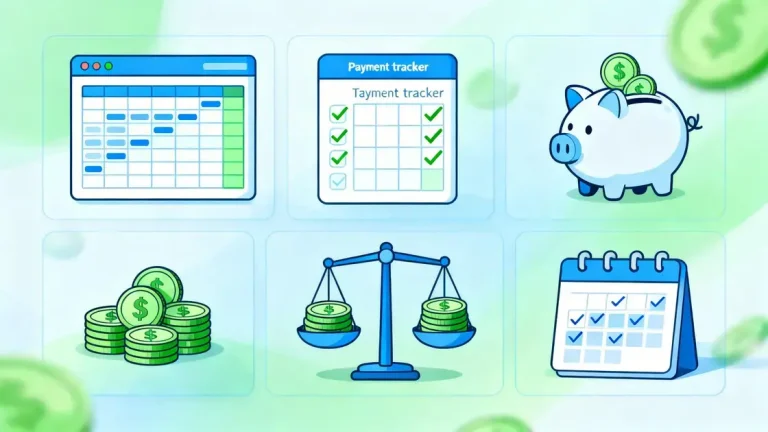
Create a master list or spreadsheet. Seeing everything in one place helps reduce anxiety and sets a firm foundation for your strategy. Consider this your financial map—a tool for planning your journey forward.
Create a Central Loan Tracking System
When managing multiple loans, organization is everything. A central tracking system helps you stay on top of due dates, balances, and progress without confusion.
You can use a spreadsheet, a budgeting app, or even a simple notebook. The key is to keep all your loan information in one place and update it regularly.
This system gives you visibility and control, making it easier to plan payments and avoid missed deadlines.
Create a Central Loan Tracking System
When managing multiple loans, organization is everything. A central tracking system helps you stay on top of due dates, balances, and progress without confusion.
You can use a spreadsheet, a budgeting app, or even a simple notebook. The key is to keep all your loan information in one place and update it regularly.
This system gives you visibility and control, making it easier to plan payments and avoid missed deadlines.
Prioritizing Payments Strategically
Once you understand your obligations, it’s time to decide which loans to focus on first. Two popular strategies often help:
- Snowball Method: Pay off the smallest balances first. This gives a psychological boost as you quickly “clear” individual debts.
- Avalanche Method: Focus on loans with the highest interest rates. Over time, this approach saves money by reducing the total interest paid.
Choose the path that best matches your personality and motivation style. For some, seeing quick wins increases determination, while for others, maximizing savings is the driving force.
Don’t forget: Make at least the minimum payments on all loans each month to avoid late fees and credit score damage.
Building a Budget You Can Stick To
No strategy works unless you have a realistic, sustainable budget. Start by tracking every dollar coming in and going out.
Identify areas where you can temporarily cut back—subscriptions, dining out, or unnecessary shopping. Redirect those funds toward your loan payments to accelerate progress.
A sample monthly budget might look like this:
| Category | Amount |
|---|---|
| Income | $3,000 |
| Rent/Mortgage | $1,000 |
| Utilities | $200 |
| Food | $350 |
| Transportation | $200 |
| Loan Payments | $600 |
| Other | $250 |
| Savings | $400 |
By regularly monitoring your budget, you remain in control of your finances—even when unexpected expenses arise. Remember, your budget isn’t static; adjust as needed to reflect real life.
Considering Debt Consolidation Options
If you’re struggling to keep track of different payments, consolidating your loans might make sense. Debt consolidation means combining several loans into a single payment, often with a better interest rate.
Common consolidation options include:
- Personal loans for debt consolidation
- Credit card balance transfers
- Home equity loans or lines of credit
- Student loan consolidation programs
Before consolidating, compare all terms carefully. Some offers may save you money and hassle, while others might extend your repayment period or include origination fees. Read the fine print before signing anything.
Common Mistakes When Managing Multiple Loans
Handling several loans at once can be challenging, and certain mistakes can make the situation harder than it needs to be. Being aware of them helps you stay in control.
- Focusing on one loan and neglecting others
- Missing payments due to poor organization
- Not prioritizing high-interest debt
- Failing to review loan terms regularly
Avoiding these mistakes allows you to manage your loans more efficiently and reduce financial stress over time.
Maintaining Motivation and Mental Well-Being
Managing debt isn’t only about numbers on a page—it’s about hope, resilience, and believing in your future. Financial stress can take a toll on your health, so take steps to stay inspired and positive:
- Celebrate small victories—every loan you pay off is a step forward
- Visualize debt freedom and set achievable milestones
- Share your goals with supportive friends or family
- Reward yourself (in small, budget-friendly ways) after reaching a target
Don’t hesitate to reach out for support if you’re feeling overwhelmed. Many people struggle in silence, but you are not alone. Seeking help is a sign of strength.
Frequently Asked Questions About Managing Multiple Loans
What is the best way to manage multiple loans?
Creating a clear system, prioritizing payments, and using a structured repayment strategy are the most effective approaches.
Should I consolidate my loans?
Consolidation can simplify payments and reduce interest, but it’s important to review all terms before deciding.
How do I stay organized with many loans?
Use a tracking system, set reminders, and automate payments whenever possible.
Can I pay off multiple loans at the same time?
Yes, but it’s often more effective to focus extra payments on one loan while maintaining minimum payments on others.
Developing Long-Term Financial Habits
After you’ve mastered how to manage multiple loans, commit to habits that prevent old patterns from returning. Build an emergency fund to cushion against future debt. Automate payments where possible so you never miss a due date.
Keep learning about personal finance. The journey doesn’t end at debt freedom—it’s the start of building wealth and peace of mind.
In summary, while the process takes time and discipline, it’s absolutely achievable. Every step forward is progress, and each decision you make brings you closer to the life you want. Managing multiple loans is not your limitation—it’s a chapter in your story of resilience, wisdom, and triumph.