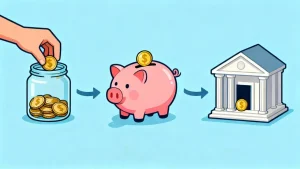

Embarking on your investment journey is a decision that can shape your entire financial future. When you plan your first investment, you aren’t just allocating money—you’re taking bold control of your destiny, envisioning growth, security, and the opportunities that come with building wealth over time.
Consider this moment as the turning point: the moment you choose to prioritize your aspirations, your family’s well-being, and your dreams. Let’s delve deep into how you can get started, stay motivated, and make your investment journey both meaningful and rewarding.
Why Planning Your First Investment Matters
Many people approach investing with apprehension, assuming it requires vast sums of money or expert-level insight. The truth is, intentional and strategic investment can start small. What’s crucial isn’t how much you invest but how thoughtfully you plan and act.
The act of investing is about planting seeds today for a harvest tomorrow. With clear priorities and the right attitude, you’ll find that even modest beginnings can evolve into substantial growth with time and patience. The most important decision is to take deliberate action now and start learning along the way.
Setting Your Personal Investment Goals
Before you dive in, take a step back and clarify your financial goals. Why do you want to invest? Your answer could range from wanting to buy a home, secure a comfortable retirement, fund your child’s education, or simply build a cushion against unexpected life events.
Creating clear goals will help you choose the right investments and measure your progress. Consider these guiding questions:
- What do you want your investment to achieve?
- How much do you hope to accumulate, and by when?
- Are you looking for quick gains, or is growth over decades your objective?
Well-defined goals bring clarity and discipline to your investment plan, ensuring that each decision moves you closer to your dreams.
Understanding Different Types of Investments
As a new investor, the landscape might seem overwhelming. But with some essential knowledge, you’ll quickly find your footing. Let’s explore some common types of investments and their characteristics:
| Investment Type | Risk Level | Potential Returns | Typical Goal |
|---|---|---|---|
| Stocks | Medium to High | Variable, often high over long-term | Growth |
| Bonds | Low to Medium | Lower but steady | Income, Preservation |
| Mutual Funds/ETFs | Varies | Depends on mix | Diversification |
| Real Estate | Medium | Moderate to High | Growth, Income |
It’s vital to research options thoroughly and consider how each fits your situation before committing funds. Nevertheless, diversification protects your portfolio from the ups and downs of any single investment.
Evaluating Your Risk Tolerance
How comfortable are you with uncertainty? Investing always involves some risk—but the right amount for you depends on your temperament, timeline, and goals. To plan your first investment wisely, you must assess your true risk appetite.
- If market fluctuations make you anxious, consider safer investments or bonds.
- If you have a long-term horizon and higher tolerance, stocks or real estate may offer more growth potential.
The beauty lies in striking a balance—one that gives peace of mind while allowing your money to grow.
Building Your Investment Strategy
With your goals set and risk tolerance understood, it’s time to create a practical investment strategy. Start small if needed—consistency is more important than size in the beginning. Here are key steps:
- Determine how much you can comfortably invest each month after necessities and savings.
- Choose an account type that matches your goals, such as IRAs for retirement or brokerage accounts for general investing.
- Align your picks with your risk and goals—begin with diversified index funds for ease and safety, or consider professional advice for more complex needs.
- Automate your investments when possible. Automated contributions help you stay on track and build wealth with less effort.
Consistency and discipline drive long-term success. Regular investment builds momentum and reinforces positive habits.
Choose a Simple First Investment Option
When planning your first investment, simplicity can be your greatest advantage. Instead of trying to analyze dozens of individual stocks, consider starting with straightforward options that are easy to understand and manage.
Many beginners begin with index funds or ETFs because they offer instant diversification and typically lower costs. This allows you to participate in the overall market without needing deep expertise.
- Start with broad market index funds or ETFs
- Avoid overly complex strategies in the beginning
- Focus on learning while your investment grows
Choosing a simple starting point reduces stress and helps you build confidence as you gain experience.
Common Pitfalls and How to Avoid Them
First-time investors often stumble over avoidable mistakes. To stay clear of frustration:
- Avoid making emotional decisions based on short-term market swings.
- Resist the urge to chase trends or “hot tips” without research.
- Don’t put all your eggs in one basket: diversify.
- Assess fees and expenses—these can quietly erode your returns over time.
Patience is your greatest ally in investing. Wealth grows over years, not days. Remember, compounding returns will reward those who stick around for the long haul.
Prepare for Market Ups and Downs
No matter how carefully you plan your first investment, market fluctuations are inevitable. Prices will rise and fall, sometimes unexpectedly. Preparing mentally for this reality helps you stay calm and avoid emotional decisions.
Understanding that volatility is normal allows you to focus on your long-term goals instead of reacting to short-term changes.
- Expect temporary losses as part of the process
- Avoid checking your investments too frequently
- Stick to your strategy during market fluctuations
By accepting ups and downs as part of investing, you build resilience and stay committed to your financial journey.
Staying Motivated and Tracking Progress
Investing is a journey. Like any journey worth taking, there will be setbacks and moments of doubt. Keeping your eyes on the bigger picture and celebrating small victories can light the way.
Track your investments periodically—not obsessively. Make small adjustments as needed, but avoid knee-jerk reactions to market ups and downs. Remain flexible, continuing to educate yourself as you go.
Remind yourself why you started. The courage to begin this journey already distinguishes you as someone willing to shape their future.
The first step may seem modest, but it holds the potential to transform your financial destiny. Embrace the excitement, accept the challenges, and look forward to the possibilities that measured investing can bring.
As you plan your first investment, remember that every great journey begins with a single, purposeful action.