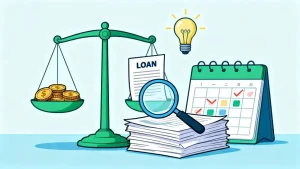

It’s never been more important to master your personal finances, yet so many people fall into traps that hinder their journey to wealth and peace of mind. By understanding the money management mistakes to avoid, you can take real, tangible steps toward building a life of security and abundance.
This guide will help you identify the common pitfalls that hold countless individuals back from reaching their true financial potential, and show you inspiring ways to move forward.
Whether you’re dreaming of a new home, freedom to travel, or simply a secure retirement, your journey begins by empowering yourself with knowledge. Let’s uncover the critical errors many make—and how you can powerfully overcome them.
The High Cost of Ignoring a Budget
Too many people go through life without a plan for their income and expenses, living paycheck to paycheck, wondering why they never seem to get ahead. Failing to create and stick to a budget is like sailing without a compass: you may never reach your destination, and you’re likely to wind up lost.
Budgeting doesn’t mean restricting your joy; it means giving every dollar a purpose. It helps you control your spending, plan for investments, and ensure your money is working for you, not against you.
- Start by tracking every expense for one month.
- Divide your income into fixed, variable, and savings categories.
- Review your budget monthly and make adjustments as needed.
With a clear roadmap, you’ll be better prepared for what lies ahead.
Overspending: The Sneaky Financial Saboteur
We live in an era where convenience and temptation are only a click away. It’s easier than ever to overspend, especially on things that don’t add lasting value. Impulse purchases and lifestyle creep can destroy even the best intentions.
Ask yourself: Is this purchase essential, or am I seeking momentary happiness? Many people find themselves caught in a cycle of spending to keep up with appearances, yet at the cost of their long-term stability.
Consider these ways to counter overspending:
- Set clear financial goals to stay motivated.
- Unsubscribe from marketing emails and avoid window shopping online.
- Practice the 24-hour rule: wait a day before making non-essential purchases.
Resisting unnecessary purchases will help you redirect resources towards things that truly matter.
Neglecting an Emergency Fund: Gambling with Your Future
Life is unpredictable. Without a safety net, one unexpected event—a job loss, sudden medical bills, or urgent car repairs—can cause long-lasting financial pain. A common money management mistake is ignoring emergency savings.
Your emergency fund is your lifeline. It gives you confidence and flexibility, allowing you to handle life’s curveballs with grace. Experts recommend saving at least three to six months’ worth of expenses. Start small if you need to, but start today. Let it grow silently in a separate account—and let that security fuel your dreams.
The Heavy Weight of High-Interest Debt
Credit cards and payday loans can quickly become burdens that block progress. Debt repayment often consumes money that could be invested in your future. Carrying high-interest balances drains your resources and narrows your options over time.
If you’re already in debt, create a plan:
- List all your debts from smallest to largest or by interest rate.
- Pay minimums on all but focus extra money on the highest-interest debt.
- Celebrate each payoff milestone!
Every dollar freed from debt is another step toward financial freedom.
Why Small Financial Mistakes Add Up Over Time
Many money problems do not begin with one major decision, but with small habits repeated over time. Daily overspending, missed savings opportunities, and ignoring minor expenses can slowly weaken your financial stability.
These actions may seem harmless in the moment, but over months or years, they can lead to larger setbacks. A forgotten subscription, frequent impulse purchases, or paying bills late more than once can quietly affect your budget and long-term goals.
Paying attention to small financial behaviors helps you catch problems early and make better decisions before they become harder to fix.
Shortchanging Your Future: Not Investing or Saving for Retirement
Many people believe they don’t have enough to invest, or that it will somehow “work out” later. Delaying retirement contributions or investment planning is a costly error. Compound interest can only work its magic with time, and every year lost is a missed opportunity.
Whether it’s a workplace plan, IRA, or brokerage account, start with whatever you can—consistently. Even small contributions grow into substantial sums over decades. Your older self will thank you.
Relying on Luck Instead of a Plan
It’s risky to hope circumstances will improve without action. Wishing versus intentional planning is a significant line to cross in personal finance. Luck may come and go, but a solid plan is the anchor through life’s storms.
You don’t need to understand every investment vehicle to succeed. You do need to set clear, achievable goals and revisit them often. Seeking advice or using financial tools can make the process less overwhelming.
The Importance of Regular Review and Adjustment
Even the best plan needs tweaking as life changes. Regularly reviewing your finances helps you spot leaks, catch opportunities, and avoid bigger pitfalls down the road.
Set a recurring date—monthly or quarterly—to check your progress. Ask yourself:
- Am I closer to my savings and investment goals?
- Are there expenses I can reduce?
- How has my income or situation changed?
This habit transforms finances from a source of stress into a tool for empowerment.
How to Replace Bad Money Habits with Better Ones
Avoiding financial mistakes becomes easier when you replace harmful habits with practical alternatives. Instead of focusing only on what not to do, build routines that support better money decisions.
- Replace impulse buying with planned spending: Make a shopping list and set limits before spending.
- Replace financial avoidance with weekly check-ins: Review your accounts regularly to stay aware and in control.
- Replace irregular saving with automation: Set up automatic transfers so saving becomes part of your routine.
- Replace vague goals with specific targets: Clear goals make it easier to stay motivated and consistent.
Better habits create stronger results over time and make financial progress feel more natural and sustainable.
Cultivating Healthy Financial Habits
It’s not just about avoiding mistakes—it’s about building habits that bring steady improvement. Celebrate your wins, share your progress, and learn from setbacks. The journey to financial well-being is lifelong, and every positive step counts.
Remember that your financial story is still being written. Start today by making even one better decision. Not only will you avoid costly pitfalls, but you’ll also open the door to new possibilities, fulfillment, and peace of mind.
Your financial future is entirely within your control. By understanding the most common money management mistakes to avoid, and taking consistent action, you can transform your finances—and your life—for good.