Ever wondered why some people thrive with credit cards while others find themselves buried in debt? Learning how to use a credit card responsibly is not just about avoiding mistakes—it’s about making smart, empowering choices that shape your financial future.
Armed with the right knowledge and discipline, anyone can turn a plastic card into a valuable tool for building wealth, achieving dreams, and experiencing peace of mind.
This detailed guide will walk you through practical strategies, essential habits, and motivating stories to help you harness the full potential of your credit card—making it work for you, not against you.
Why Responsible Credit Card Use Is So Important
Credit cards are powerful financial instruments. Used wisely, they offer benefits such as convenient purchasing power and rewards, purchase protection, and, most significantly, the opportunity to build and boost your credit score. However, irresponsible use can lead to overwhelming debt, stressful interest payments, and even long-term damage to your credit profile.
Understanding the stakes is the first step. Let’s dive into how you can avoid the pitfalls and embrace the advantages of responsible credit card use.
Understanding Your Credit Card Basics
Before you swipe or tap for your next purchase, take the time to familiarize yourself with the terms of your credit card. This includes:
- Interest Rates (APR) – Know how much you’ll be charged if you carry a balance month to month.
- Credit Limit – The maximum amount you can borrow; exceeding it can result in fees and hurt your credit score.
- Minimum Payments – The smallest amount you must pay each month to keep the account in good standing.
- Grace Period – The window between your statement date and payment due date where no interest is charged if paid in full.
Understanding these terms is crucial because they set the framework for how you should use your card each month. When in doubt, review your cardholder agreement or contact your issuer for clarification.
Building Smart Spending Habits
Responsible credit card users develop financial discipline by setting personal boundaries. Start by viewing your credit limit as a last resort, not a spending goal. Never charge more than you can afford to pay instantly. This prevents the temptation of accumulating a balance that snowballs into debt.
It’s also wise to make credit card purchases only when you have the equivalent cash available in your checking account. This ensures that you can pay off your balance in full each month, avoiding interest and boosting your credit score.
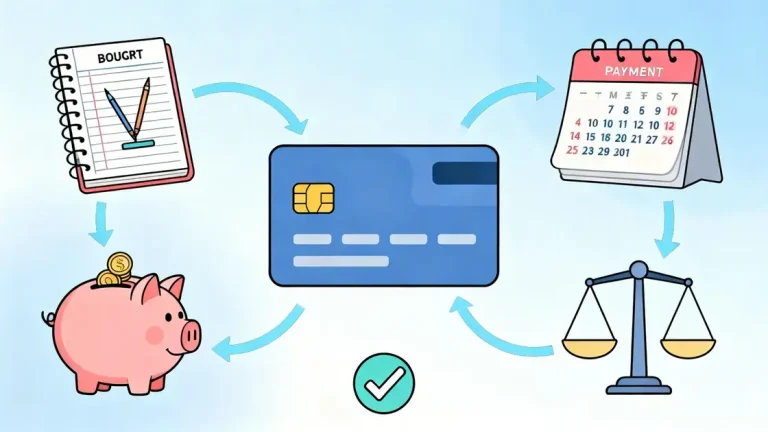
- Track your spending regularly using budgeting apps or your card’s mobile app.
- Set personal spending caps well below your credit limit.
- Review your monthly statement line by line to ensure there are no unauthorized charges or errors.
Small, consistent purchases—such as groceries or gas—are great for building your score, as long as you pay in full every month.
Keeping Debt and Interest at Bay
Interest is the silent enemy of credit card users. The best way to avoid it? Pay off your full balance every month before the due date. If you’re unable to do this, strive to pay as much as possible above the minimum.
Carrying a balance not only racks up interest but also impacts your credit utilization ratio, a key factor in your credit score. Aim to keep your card balances below 30% of your total credit limit—this signals to lenders that you’re a reliable borrower.
| Credit Limit | Recommended Balance | Risk Level |
|---|---|---|
| $1,000 | < $300 | Low |
| $5,000 | < $1,500 | Low |
| $10,000 | < $3,000 | Low |
If you ever find yourself slipping, act quickly—consider transferring the balance to a lower-interest card or seeking help from a financial counselor.
Know When to Use a Credit Card and When to Avoid It
One of the smartest parts of learning how to use a credit card responsibly is knowing that not every purchase should go on your card. Credit cards can be incredibly useful, but they work best when they support your budget instead of stretching it.
A good rule is to use your credit card for planned purchases that fit comfortably within your monthly spending limits. Everyday essentials such as groceries, fuel, or utility bills can be good examples, especially when they help you build a positive payment history and earn rewards. The key is making sure you already have the money available to pay for those purchases in full.
At the same time, some situations call for extra caution. Avoid using your credit card for impulse buys, emotional spending, or large purchases you cannot realistically pay off by the due date. These are the kinds of charges that often turn into long-term debt and unnecessary interest.
- Use your card for planned expenses already included in your budget.
- Avoid charging items just because you have available credit.
- Think twice before using a card for luxury purchases or non-essential upgrades.
- Pause before buying when you feel stressed, bored, or pressured.
Responsible credit card use is not only about paying on time. It is also about making intentional decisions before you spend. When you learn to separate necessary spending from impulsive spending, your credit card becomes a helpful financial tool instead of a source of pressure.
Monitor, Manage, and Protect
Keeping a close eye on your credit card activity is essential. Regularly check your account for any suspicious transactions or errors. Setting up alerts for large purchases or unusual activity can help you spot fraud or theft early, limiting the damage.
In addition, protect your card information by never sharing it over unsecured websites or with untrusted parties. Strong passwords and two-factor authentication add extra layers of security to your credit accounts.
- Sign up for account alerts from your issuer.
- Report lost or stolen cards immediately to minimize liability.
- Shred old statements to prevent information theft.
The Foundation of Good Credit
Using a credit card responsibly opens doors in life: from car loans to mortgages, your credit history paves the way. Lenders look for a pattern of on-time payments and low balances to gauge your reliability. Consider setting up automatic payments to ensure you never miss a due date.
Your credit card provider reports your activity to the major credit bureaus, so every positive or negative action makes a lasting impact. Over time, strong habits can result in better terms on loans, higher credit limits, and even job opportunities.
Learning From Mistakes and Moving Forward
Everyone slips up now and then, whether by making a late payment or overcharging a card during an emergency. What matters most is how you respond. Reach out to your issuer if you need help—they may offer hardship programs or waive the occasional late fee.
Reflect on what led to the misstep and resolve to improve your habits. Sometimes, the most powerful lessons come from our mistakes, fueling growth and renewed determination.
An Inspiring Path Forward
Imagine the feeling of financial confidence: your bills are paid on time, your debt is under control, and your credit score climbs higher each year. By embracing these responsible credit card habits, you empower yourself with a sense of control and peace of mind.
Remember, credit cards are not the enemy—they are tools. With patience, discipline, and a focus on your long-term goals, you can harness them to unlock the door to a brighter, more secure financial future.