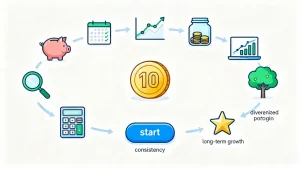

The urge to spend easily becomes a habit that seems impossible to break. Overspending can leave you feeling stressed, overwhelmed, and uncertain about the future. If you’ve ever wondered how to stop overspending money and truly gain control, you are not alone—millions struggle with it every day.
But the power to change is within you. This guide will empower you with deep insight and proven strategies, so you can break free from old patterns, reclaim your finances, and experience peace of mind.
Understanding What Drives Overspending
Before you can stop overspending, it’s vital to understand what’s actually fueling your behavior. Sometimes, spending may numb emotions or stress. Other times, it’s simply routine, or a desire for instant gratification. Recognizing your ‘why’ is the first crucial step toward stopping the cycle.
Ask yourself: What feelings or thoughts trigger unnecessary purchases? Are these emotions—like boredom, sadness, frustration, or even excitement—prompting you to swipe your card? Becoming aware is empowering; it interrupts the “autopilot” mode that so often leads to overspending.
Spot Your Triggers and Replace Them
Each of us has unique spending triggers, and identifying yours puts you back in the driver’s seat. Maybe you shop when you’re tired, after a hard day, or when scrolling social media. Once you identify these situations, you can start to build new, healthier routines.
- Keep a small notebook for a week to jot down every purchase and what you felt or experienced beforehand. Patterns will emerge.
- When you spot a trigger, pause. Ask yourself: Do I need this, or am I reacting emotionally?
- Replace emotional purchases with a positive activity: Take a walk, call a friend, or try a hobby.
It might surprise you how often small mood shifts prompt you to spend money—and how effective new habits can be in diffusing that urge.
Create a Realistic, Empowering Budget
A budget is not a punishment—it’s a tool for freedom. Rather than focusing on what you “can’t” do, see your budget as a roadmap toward your goals. Start with your core fixed expenses and absolutely necessary costs. Include rent, utilities, food, debt payments, and necessary travel.
Once essentials are listed, set a realistic amount for discretionary spending. Giving yourself a modest spending allowance each week can help resist bigger binges.
- Use the 50/30/20 rule: 50% for needs, 30% for wants, 20% for savings and debt.
- Track spending daily or use an app to stay accountable.
- Set mini-goals to reward stability, such as saving toward a small treat without blowing your plan.
Freedom comes not from restriction, but from knowing you are directing your resources, not the other way around.
Use the 24-Hour Rule Before Any Purchase
One simple but powerful strategy to stop overspending is the 24-hour rule. Instead of buying something immediately, give yourself a full day to think about the purchase.
This pause helps you separate impulse from intention. Many times, the urge to buy fades once the emotional moment passes, allowing you to make a more rational decision.
If after 24 hours you still feel confident about the purchase—and it fits your budget—it may be worth it. If not, you’ve successfully avoided unnecessary spending.
This habit builds self-control over time and reduces regret from impulsive decisions.
Change the Environment, Change the Outcome
Environment plays a huge role in spending behavior. If your wallet is always out, shopping apps are one click away, and marketing emails constantly tempt you, it’s much harder to resist. Make “friction” your friend by making spending more difficult.
| Old Habit | New Habit |
|---|---|
| Online shopping after work | Read a chapter of a favorite book |
| Impulse buys with friends | Suggest free meet-ups—coffee at home or a walk in the park |
| Credit card in wallet | Leave card at home or freeze in a container of water |
These environment tweaks aren’t deprivation—they’re redesigning your world for greater self-mastery and financial peace.
Build Lasting Habits by Celebrating Progress
Changing spending behavior is a journey. Celebrate every win along the way. Did you walk away from an impulse buy? Pat yourself on the back. Stuck to a weekly spending limit? Reward yourself with a self-care activity that costs nothing.
To keep yourself motivated, track progress in ways you can see. Use sticky notes, digital trackers, or even a jar where you drop a note for every day you stick to your plan.
Switch to Cash or Debit for Better Control
If you find it difficult to control spending with credit cards, switching to cash or debit can make a big difference. When you use physical money or see your balance drop instantly, spending feels more real and intentional.
Credit cards can make purchases feel distant, which often leads to overspending. By limiting their use, you create a natural boundary that helps you stay within your budget.
You can even set a weekly cash allowance for discretionary spending. Once it’s gone, you stop spending until the next cycle.
This approach increases awareness and helps you rebuild a healthier relationship with money.
Tap Into Your Deeper Dreams and Goals
Overspending often fills an emotional need momentarily, while saving connects you to something bigger and more meaningful. What do you want long-term—an emergency fund, travel, a dream home, peace from debt? Remind yourself of your vision regularly.
- Write a list of your top three financial dreams.
- Place reminders—photos, quotes, or objects—where you’ll see them daily.
- Reflect monthly on progress to adjust and keep inspiration alive.
Knowing your “why” can be the powerful fuel that keeps you on track even when temptations arise.
When You Slip Up, Don’t Give Up
Almost nobody changes a lifetime of habits overnight. If you overspend, reflect—and forgive yourself. What triggered it? How can you adjust your plan? Each stumble is a step toward new wisdom and resilience.
Start again the next day. Remember, lasting transformation is built by small daily choices, not one-time leaps. Your journey is uniquely yours, and every positive step counts.
Conclusion: Empower Yourself for a Financially Free Life
When you discover how to stop overspending money, you’re not just saving cash—you’re regaining confidence, calm, and control. The journey involves honest self-reflection, simple daily tweaks, and celebrating your victories. Life doesn’t become perfect overnight, but each conscious choice moves you closer to a life shaped by intention, not by impulse.
Let this be your moment of change. Financial peace isn’t just possible, it’s waiting for you—one empowered decision at a time. Take the first step today, and watch your world transform.