In a world where credit cards have become an essential part of modern living, it’s easy to feel overwhelmed by mounting bills, forgotten payments, and unclear budgets. Still, your relationship with credit cards can be transformed into a source of confidence and peace.
By learning how to stay organized with credit cards, you’ll not only protect your credit score but discover a new sense of control and balance in your financial life.
This detailed guide will provide you with strategies, insights, and inspiration to help you manage your credit cards with clarity and intention. Every step is designed to reduce stress and set you up for success, whether you’re just starting out or want to regain order from chaos.
Why Organization is Essential for Credit Card Management
The very first step to taking charge of your credit cards is understanding why organization matters. When you’re organized, you minimize late payment risks and extra fees, maximize your rewards, and feel more in control of your spending.
Disorganization often causes unnecessary stress, missed payments, and wasted opportunities. Well-managed cards open the door to better credit, lower interest rates, and a reputation for reliability.
Start by Simplifying Your Card Wallet
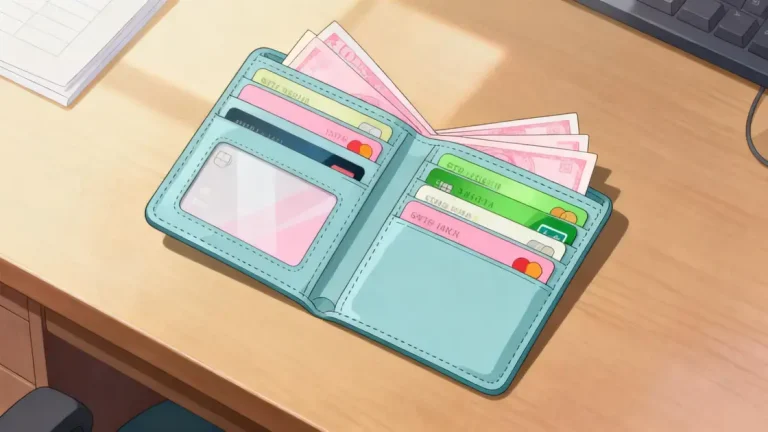
Many people juggle multiple cards—each with different purposes, due dates, and rewards. This can become overwhelming unless you take the time to organize your physical and digital wallet. Start by reviewing every card you carry. Ask yourself: do you really use them all?
- Remove cards you rarely use to reduce clutter.
- Arrange the remaining cards by frequency of use: daily, occasional, and emergency.
- Store little-used cards in a safe, memorable location at home for added security.
Designate a specific place, like a neat cardholder or a section of your wallet, for your most-used cards. This small action makes each transaction more intentional and less chaotic.
Keep a Master List of Your Credit Cards
Knowledge is power when it comes to organization. Create a master list with essential card details, such as the issuer, credit limit, monthly due date, interest rate, annual fee, and rewards structure. You can maintain this list on paper or in a secure digital note.
This ensures you always know:
- Which card to use for specific purchases (think travel, groceries, or gas)
- When bills are due to avoid late payments
- If something goes wrong, who to contact immediately
Keeping this information at your fingertips also empowers you to make smarter, more rewarding choices every time you reach for a card.
Match Due Dates to Your Monthly Routine
One of the easiest ways to stay organized with credit cards is to make your due dates work with your schedule. When payment dates are scattered throughout the month, it becomes harder to keep track of what needs attention and when.
If your card issuers allow it, consider moving your due dates closer to your payday or to one specific week of the month. This can make bill management much more predictable and reduce the chances of missing a payment.
- Choose due dates that fit your cash flow
- Group payment dates to make tracking easier
- Review statements as soon as they become available
A payment schedule that matches your routine can make credit card organization feel much simpler and more sustainable.
Embrace Technology for Seamless Tracking
With dozens of smart tools available, tracking your credit card spending has never been easier. Take advantage of:
- Budgeting apps that automatically categorize transactions and alert you when you near a limit
- Dedicated credit card management apps that offer real-time balance updates
- Automatic payment reminders set through your phone, digital calendars, or your card issuer’s platform
You don’t have to be a tech expert to benefit from automated systems. Most banks also allow you to enroll in alerts for purchases, payments, or unusual activity, helping you stay up-to-date and secure.
Establish a Weekly Credit Card Review
Clarity comes through routine. Set aside a few minutes each week to review your credit card activity. Make this a regular event—perhaps with your favorite beverage and a quiet space. Check:
- Recent transactions for accuracy and fraud
- Upcoming due dates to prevent late fees
- Progress towards rewards or cash-back goals
Not only does this habit keep you organized, but it also instills a mindful money mindset. You gain valuable insights into your spending behaviors and spot areas for improvement before any issues escalate.
Streamline Your Bill Payment Process
Late payments can destroy your credit and trigger hefty fees. By organizing your payment process, you protect your finances and create peace of mind. Here are ways to do it:
- Set up automatic payments for at least your minimum amount due
- Select a “pay day” each month to clear all balances manually at once
- Use reminders or calendar events if you prefer to pay manually
Many find it helpful to align credit card payments with their payday schedule, ensuring that funds are available and bills never go unpaid.
Minimize Mistakes With a Card Use Strategy
Every swipe matters. To stay organized, establish rules for how and when to use credit cards. For example:
- Assign each card a purpose (such as “dining out,” “travel,” or “emergencies only”)
- Set spending limits by category to prevent overuse
- Leave one card at home as a backup in case of emergencies or fraud
Developing intentional habits ensures you maximize rewards and minimize overspending.
Keep Physical and Digital Receipts in Order
Receipts aren’t just for returns; they help track spending and provide proof in case of disputed charges. Consider these methods:
- Create a folder at home for physical receipts, sorted by month or category
- Save digital copies in a dedicated folder on your cloud drive or computer
- Use apps that scan and organize receipts for you
This extra step creates a clear record, making tax time, budgeting, or dispute resolution far less stressful.
Review and Reevaluate Regularly
No system is perfect forever. Life changes, and so do your financial needs. Every few months, review your credit cards and your organizational approach:
- Cancel cards that no longer serve you
- Update your master list with new rates or features
- Adjust payment dates if your income schedule changes
Staying flexible ensures your organization system keeps working for you, not against you.
Your Path to Credit Card Confidence
When you know how to stay organized with credit cards, you’re not just protecting your finances—you’re empowering yourself to pursue your dreams, build lasting security, and replace chaos with calm. The journey takes intention and patience, but the payoff is a life where your credit cards serve you and not the other way around.
Take the first step today. Open your wallet, choose your system, and commit to a new level of financial clarity and peace. Your future self will thank you.