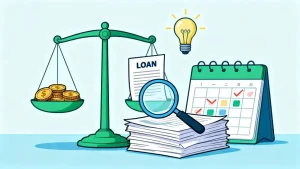

Financing the next chapter of your life can be exhilarating—a new home, a vehicle, or even transforming a dream business into reality. But before you take that leap, understanding how to prepare for a loan application can be the difference between stress and success.
The loan process may seem intimidating, yet those who approach it with clarity, organization, and foresight tend to find not only approval, but also greater confidence in the journey.
Preparation is about setting yourself up for the best terms, reducing surprises, and empowering your financial future. Let’s explore each step in detail, helping you rise above the uncertainty and move forward with certainty.
Understanding Why Preparation Matters
Applying for a loan means opening your financial life to scrutiny. Lenders assess your risk as a borrower, looking for assurance that you have steady income and reliable repayment ability. Preparation gives you the power—not just to be approved, but to negotiate better rates and conditions.
A prepared borrower inspires trust, whereas a rushed application can cause delays, denials, and frustration. This is your opportunity to shine and secure your financial goals.
Assessing Your Financial Position
Begin by taking a realistic look at your current financial health. Ask yourself:
- What is my monthly income after taxes?
- What do I spend each month?
- How much debt do I already carry?
Creating a budget is empowering—it offers a clear picture of your capacity to manage another financial commitment. If you find that you’re overextended, consider paying down existing debts first.
Lenders analyze your debt-to-income ratio (DTI) carefully. It’s a simple calculation: Add up your monthly debt payments and divide by your gross monthly income. A DTI ratio under 36% is viewed favorably.
Reviewing and Improving Your Credit Score
Your credit score is one of the most influential factors in the loan application process. It can determine the rates you’re offered or even if you’re approved at all. Before applying, obtain a copy of your credit report from a major bureau. This helps you identify any red flags, such as:
- Missed or late payments
- Accounts in collections
- High credit utilization
- Inaccurate negative marks
If there are mistakes, dispute them right away. If you see weaknesses, take time to pay down debts and make payments on time; even small improvements can boost your score and confidence.
Check Your Debt-to-Income Ratio Before Applying
Your debt-to-income ratio (DTI) is one of the most important factors lenders evaluate. It shows how much of your income is already committed to debt payments.
To calculate your DTI, divide your total monthly debt payments by your gross monthly income. A lower ratio indicates better financial stability and improves your chances of approval.
If your DTI is high, consider paying down some debt before applying. This simple step can make a significant difference in the terms you receive.
Gathering Essential Documentation
One of the most frustrating setbacks for loan applicants is scrambling for paperwork at the last minute. Preparation now saves you stress later. Typical documentation includes:
- Recent pay stubs or proof of income
- Tax returns from the past two years
- W-2 or 1099 forms
- Bank statements from the past few months
- Identification, such as a driver’s license or passport
- Proof of address
- List of assets and existing debts
Organize these documents in a physical or digital folder. Having everything ready speeds up the process, keeps you calm, and impresses lenders with your preparation.
Determining the Right Loan Type and Amount
Lenders will ask you how much you want to borrow and why. Start by clearly defining your goal: Are you buying a home, paying for education, or consolidating debts?
Avoid the temptation to borrow more than you need. Calculate the ideal amount by researching costs and leaving room for unexpected expenses, but don’t stretch too far. This shows responsible borrowing and risk awareness.
| Loan Type | Typical Uses | Common Requirements |
|---|---|---|
| Personal Loan | Debt consolidation, emergencies | Good credit score, stable income |
| Mortgage | Home purchase or refinance | Down payment, proof of assets |
| Auto Loan | New or used car | No current vehicle loan, steady income |
| Business Loan | Business expansion, starting up | Business plan, financial records |
Common Mistakes and How to Avoid Them
Even prepared applicants can trip up. Stay clear of these frequent pitfalls:
- Applying to too many lenders at once, which can hurt your credit
- Failing to read the fine print on loan agreements
- Overestimating your ability to repay, leading to default risk
- Not asking questions or clarifying ambiguous terms
Go slow, ask for clarification, and never feel pressured to accept a loan that doesn’t fit your needs. Remember, your financial health is worth protecting.
How to Improve Your Chances of Loan Approval
Taking a few extra steps before applying can significantly increase your chances of getting approved and securing better terms.
- Maintain a stable income and avoid job changes during the application process
- Reduce existing debt to improve your financial profile
- Save for a larger down payment if applicable
- Avoid taking on new credit before applying
These actions demonstrate financial responsibility and make you a more attractive borrower in the eyes of lenders.
Building Trust with Lenders
Lenders are not just reviewing your numbers—they’re seeking confidence in your overall trustworthiness. Communicate clearly, answer questions promptly, and provide proactive updates if your situation changes.
If possible, foster a relationship with potential lenders before you need a loan. This demonstrates initiative and can give you an advantage during the approval process.
Frequently Asked Questions About Loan Applications
What do lenders look for in a loan application?
Lenders evaluate your income, credit score, debt-to-income ratio, and financial history.
How can I increase my chances of getting approved?
Improve your credit score, reduce debt, and ensure your financial documents are organized and accurate.
Should I apply to multiple lenders?
Comparing offers is helpful, but applying to too many lenders at once can impact your credit score.
How long does the loan approval process take?
It can take anywhere from a few days to several weeks, depending on the type of loan and lender.
Your Next Steps: Moving from Preparation to Action
Now that you grasp how to prepare for a loan application, put these steps into motion. Preparation transforms an intimidating process into a journey you’re ready for.
Remember: Your determination and organization now plant the seeds for a brighter financial future. By presenting yourself as a responsible, informed applicant, you maximize your chances for approval and set the tone for responsible borrowing ahead.
Embrace the process, invest in your own preparation, and step forward with confidence into new opportunities.