In a world where plastic often feels more powerful than paper, knowing how to control credit card usage is a crucial life skill. Many people see credit cards as a fast solution—convenient, flexible, sometimes even rewarding. But without mindful management, unchecked use easily paves the way to mounting debt, stress, and financial insecurity.
Fortunately, taking charge of your credit card habits is an attainable goal. Whether you want to build a positive financial future or simply experience less anxiety about your monthly statements, you’ll find tried-and-true strategies here to help. Let’s explore how you can control your credit card use and transform your financial life.
The Double-Edged Sword of Credit Cards
Credit cards offer benefits such as rewards, protection against fraud, and flexibility with payments. However, they can also mask your true spending, making it easy to lose track and fall behind.
Understanding why credit cards can be so enticing—and so risky—is the first step to gaining control. The lack of immediate consequence, the allure of points and cashback, and even the urge to impress others can fuel unnecessary purchases.
Discover Your Spending Triggers
Everyone has unique triggers that drive spending. By pinpointing the moments when you reach for your card, you’ll gain invaluable awareness.
- Emotional spending: Buying things to fill an emotional void or as a reward
- Impulse spending: Temptation during sales or limited-time offers
- Social influence: Keeping up with friends or trends
Reflect on your last five credit card transactions. Were any influenced by mood, advertising, or social pressure? If so, you’re not alone—the key is knowing these patterns and devising strategies to interrupt them.
Craft a Budget You Can Actually Stick To
It’s one thing to pledge to spend less; sticking to a budget is another. Begin by analyzing your monthly income and essential expenses—housing, food, utilities, insurance, transportation. Next, set a clear, reasonable monthly limit for discretionary purchases by card.
Consider a simple table to organize your thoughts:
| Category | Monthly Limit |
|---|---|
| Eating Out | $100 |
| Entertainment | $80 |
| Clothing | $60 |
Be honest with yourself and review your limits as your needs evolve. Write your goals down and keep them visible—this physical reminder can be a powerful deterrent to impulse swipes.
Use Technology to Monitor and Limit Spending
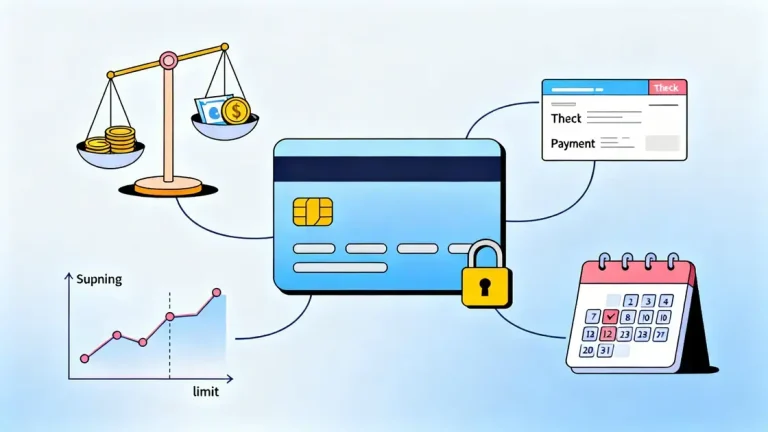
Leverage digital tools to make smart and intentional credit card choices. Many banking apps show real-time spending, upcoming payment dates, and alerts when you near your set limits.
- Set alerts for purchases over a certain amount
- Schedule automatic payments to avoid late fees and interest
- Use budgeting apps to get weekly or monthly spending reports
Seeing your spending as it happens can be sobering—and empowering.
Create Clear Rules for When to Use Your Card
One of the best ways to control credit card usage is to decide in advance when your card can and cannot be used. Clear personal rules reduce impulsive decisions and make spending feel more intentional.
For example, you may choose to use your credit card only for essential monthly expenses, online purchases with added security, or pre-planned categories already included in your budget.
- Use your card only for budgeted purchases
- Avoid using credit for emotional or impulse spending
- Set category-based rules to guide your decisions
When you remove guesswork from the moment of purchase, it becomes much easier to stay disciplined and protect your financial goals.
Commit to Always Paying in Full (If Possible)
Interest can quietly erode your financial stability. Strive to pay your balance in full every month. This way, you avoid growing debt and make the most of your credit card’s advantages—like cash-back or travel rewards—without incurring costs.
If paying the full balance is out of reach, commit to at least making more than the minimum payment, focusing on high-interest cards first.
Set Physical and Psychological Barriers
Sometimes, willpower alone isn’t enough. Build barriers between yourself and spontaneous spending:
- Leave your credit card at home for day-to-day shopping
- Delete saved card information from online stores
- Institute a mandatory 24-hour pause before significant purchases
These tricks can disrupt patterns and encourage mindful decision-making.
Turn Credit Cards Into Powerful Financial Tools
Credit cards can help build your credit score, serve as a safe payment method for online purchases, and offer rewards. Use them intentionally—not as extensions of your income, but as strategic resources.
Consider the following mindsets for healthy usage:
- View credit limits as maximums not goals for spending
- Use cards for planned purchases only, not for “wants”
- Regularly review statements to check for unauthorized charges and mistakes
When you approach cards with this perspective, you’re less likely to slip into cycles of debt and regret.
Build Habits for a Lifetime of Financial Health
Controlling your credit card usage is not a one-time fix, but a journey of learning, setbacks, and small victories. Celebrate each month you stick to your budget, and don’t be too hard on yourself if you make mistakes—what matters is your consistency in returning to good habits.
Over time, you’ll feel a sense of empowerment and relief that grows with each bill paid in full and each impulse resisted.
Reduce the Number of Cards You Actively Use
Controlling credit card usage can become more difficult when too many cards are in regular circulation. A simpler system often leads to better oversight, fewer missed details, and more consistent habits.
Consider focusing on one main card for planned purchases and keeping any additional cards for backup or specific situations only. This makes it easier to track balances, monitor due dates, and stay within your limits.
- Choose one primary card for everyday use
- Keep other cards for emergencies or special purposes
- Review inactive cards occasionally for security
Using fewer cards on a regular basis can help you stay organized and maintain stronger control over your spending.
Final Thoughts: Knowledge is Your Greatest Ally
Ultimately, being informed and vigilant is your best defense against the pitfalls of credit card use. The greatest financial triumphs are rarely made overnight—they’re the result of conscious decisions made day by day.
Commit to learning about your habits, set realistic boundaries, and embrace the technology at your fingertips. As you master the skill of controlling your credit card usage, you’ll unlock new levels of financial freedom, confidence, and ultimately, peace of mind.