Credit cards can open doors, offer rewards, and provide peace of mind in emergencies. Yet, for many Americans, credit cards are the gateway to a persistent cycle of debt and anxiety that steals both financial confidence and future opportunities.
Understanding how to avoid credit card debt is about more than just paying bills on time. It’s about developing a new relationship with money, one rooted in clarity, self-discipline, and hope. This article will guide you, step by step, to lasting debt freedom with proven, actionable strategies that anyone can adopt—no matter your financial starting point.
Recognize the Real Cost of Credit Card Debt
Before changing habits, it’s crucial to comprehend the true impact of revolving credit card balances. The reality is that credit card debt doesn’t just affect your bank account; it can increase stress, restrict your future options, and erode self-confidence.
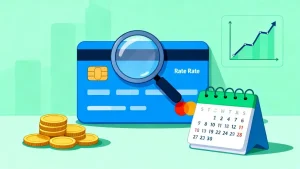
- The average credit card interest rate in the US often exceeds 20%, meaning that even small debts can grow rapidly if left unpaid.
- Minimum payments may seem manageable, but they can stretch repayment over decades, vastly inflating the total cost of what you borrow.
- High balances can lower your credit score, making it harder to qualify for vital financial milestones such as car loans or a mortgage.
Once you truly grasp that carrying a balance can double or even triple the cost of your purchases, it becomes clear why prevention is so important.
Reframe Your Mindset Around Credit Cards
The shift from debt accumulation to debt avoidance begins in your mind. Treating a credit card as a tool—and not as free money—sets the foundation for better choices.
Use credit cards as a convenience, not as a lifeline. Before every swipe, pause to consider: Would I make this purchase if I had to pay cash today?
Another essential strategy is to detach emotional reactions from spending. Retail therapy and impulse buying can be tempting after stressful days or exciting events but recognizing these triggers enables you to pause and make intentional decisions.
Create a Simple, Realistic Budget
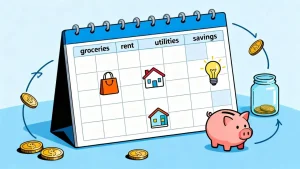
You can’t manage what you can’t measure. Building a clear, actionable monthly budget empowers you to live within your means and plan for your goals. Start by listing your monthly net income and then account for every recurring expense—housing, utilities, groceries, savings, transportation, and debt payments.
- Allocate a small buffer for unplanned expenses to reduce the temptation of using credit as a fallback.
- Factor in occasional costs like car maintenance or annual subscriptions.
- Set a realistic amount for discretionary spending—dining out, entertainment, and non-essential shopping—so you can enjoy life without guilt.
Check your budget weekly and adjust as needed. Over time, you’ll spot habits that either help or harm your progress toward financial freedom and peace of mind.
Differentiate Needs vs Wants Before Using Your Card
One of the most powerful habits for avoiding credit card debt is learning to clearly separate needs from wants. This simple distinction can prevent unnecessary spending and help you stay aligned with your financial goals.
Needs are essential expenses like housing, food, transportation, and healthcare. Wants, on the other hand, include things that improve your lifestyle but aren’t necessary for your survival—such as dining out, new gadgets, or impulse purchases.
Before using your credit card, ask yourself: “Is this something I truly need right now?” If the answer is no, consider waiting 24 hours before making the purchase. This pause often reduces impulsive decisions and keeps your spending under control.
Over time, this habit strengthens your financial awareness and helps you make more intentional, confident choices.
Pay Your Balance in Full Every Month
Perhaps the single most effective practice for avoiding credit card debt is to pay off your entire balance by the due date each month. This allows you to take advantage of rewards and protections without incurring interest charges.
Set up automated reminders or payments through your bank to ensure you never miss a due date. Missing even one payment can lead to late fees and a spike in your interest rate, derailing all your hard work.
Use Spending Trackers and Alerts
Awareness is power. Most major banks and credit card issuers offer free tools so you can monitor spending in real time. Enabling low balance alerts or transaction notifications can make a profound difference.
If you’re worried about overspending, try using a phone app or spreadsheet to track every purchase. Reviewing your spending habits weekly can inspire small changes that lead to major improvements in financial stability.
Set Personal Card Limits—Lower Than the Bank’s
Just because a card offers a high limit doesn’t mean you should use it. Set your own maximum, such as 10-20% of your monthly income, and follow it strictly.
If you notice balances creeping up, stop using the card until your balance is paid off. Be gentle but firm with yourself in these moments; setting boundaries is a powerful form of self-care.
Prepare for Emergencies Without Relying on Credit
Unexpected expenses can derail even the best intentions. Building an emergency fund is a vital step in avoiding credit card debt. Strive for at least $500 to start, then gradually work up to one to three months of living expenses.
| Emergency Expense | Pay with Emergency Fund | Pay with Credit Card |
|---|---|---|
| Car repair | Peace of mind, no debt | Balance grows, interest accrues |
| Medical bill | Immediate solution, no interest | Long-term repayments, higher total cost |
| Appliance replacement | Financial stability preserved | Possible late fees, stress increases |
Every dollar saved gives you more resilience and reduces the risk of falling back into the credit card debt trap.
Seek Help and Encouragement When Needed
Overcoming financial challenges requires both information and support. If you’re struggling, talk honestly with a trusted friend, mentor, or financial advisor. Community resources and support groups can provide accountability and guidance.
Remember, overcoming credit card debt is not a solo journey. Be patient with yourself, celebrate small victories, and keep your eyes on the long-term rewards—peace of mind and lasting financial well-being.
Mastering how to avoid credit card debt isn’t just about numbers. It’s a lifestyle shift, one that brings hope to your future and strength to your daily decisions. Start today. Small, consistent steps will lead to powerful, lasting results—and a brighter financial future for you and your loved ones.