
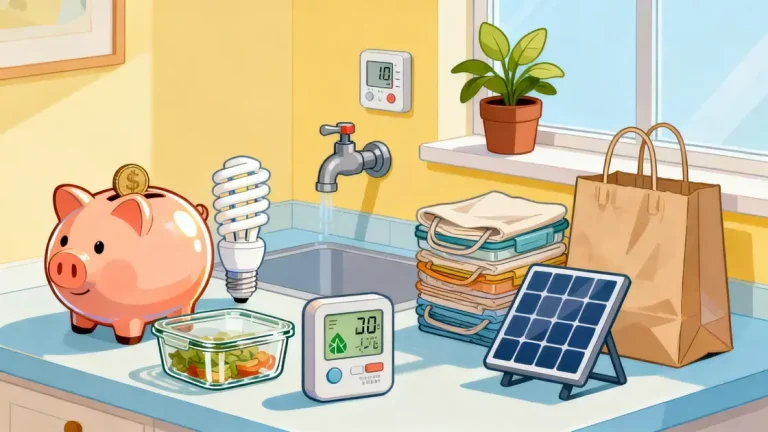
Easy ways to save money at home can make a bigger difference than most people expect. A few simple changes in your daily routine can help you spend less without making life feel limited or complicated.
From energy use to grocery shopping, small habits at home often have a direct impact on your budget. The good part is that saving money does not always mean giving things up, but making smarter choices with what you already have.
Once you start noticing where your money goes, it becomes much easier to make practical changes that actually stick. Keep reading for simple ideas that can help you cut costs, build better habits, and feel more in control of your finances.
The Power of Small Changes
We often believe that saving requires sacrifice. But what if there were simple shifts—from the living room to the kitchen—that provide immediate financial relief without major effort? The truth is, small everyday adjustments can lead to a noticeable boost in your savings over time.
Let’s dive into the most effective and easy ways you can save money at home, inspire your family, and build momentum for a better financial future.
Cutting Utility Costs Easily
Utility bills are a silent drain on household budgets. With a few mindful behaviors, you can slash these costs each month.
- Turn off lights and electronics when not in use—even standby mode uses power.
- Switch to LED bulbs for long-term savings and better efficiency.
- Maintain your appliances; clean filters and coils to boost performance and reduce consumption.
- Use programmable thermostats to keep heating and cooling costs lower without compromising comfort.
Even washing clothes in cold water can make a notable difference, and taking shorter showers both saves water and cuts utility bills.
Smart Grocery Shopping for Big Savings
The grocery bill often is one of the household’s largest expenses. There are many effective ways to save money on food without sacrificing quality:
- Plan meals in advance and create a specific shopping list to avoid impulse buys.
- Utilize store loyalty programs and digital coupons whenever possible.
- Buy in bulk for non-perishable essentials and freeze meats or produce that you can’t use immediately.
- Embrace store brands, which often deliver equal quality at a fraction of the price.
- Reduce food waste by learning how to store leftovers and use all ingredients.
Over time, these changes can result in hundreds of dollars saved each year, all while enjoying nutritious meals.
Slash Monthly Expenses Without Sacrifice
Monthly subscriptions and services can sneak up on your budget. Review your streaming, gym, or magazine subscriptions and eliminate anything you don’t love or use often. Challenge yourself: if you wouldn’t purchase it again today, consider canceling it.
Call your utility or service providers and negotiate for better rates. Loyalty often comes with discounts, and being assertive can pay off.
| Expense Type | Immediate Action |
|---|---|
| Subscription Services | Cancel unused or double-up services |
| Mobile/Data Plans | Switch to lower-cost plans |
| Insurance | Shop rates or bundle for savings |
| Cable/Satellite | Switch to streaming or local-only |
Swapping cable for streaming or using free digital resources is a quick and painless way to reduce costs instantly.
Creative DIY for Everyday Solutions
DIY isn’t limited to crafts. From homemade cleaning solutions to simple household repairs, you can often fix instead of replace, saving money and learning new skills along the way.
Try making your own home cleaners from vinegar, baking soda, and lemon. Upcycle furniture with fresh paint or reused fabric. These small actions prevent unnecessary spending—plus, they inspire confidence and creativity.
Building Better Money Habits
Ultimately, the most impactful way to save is to develop consistent money habits. Track your expenses to identify spending patterns. Set small, achievable savings goals: even $10 a week adds up over a year.
Get the whole household involved. When everyone is motivated, savings feel like a team victory. Reward progress to encourage consistent financial discipline.
Low-Cost Habits That Make a Real Difference
Saving money at home often starts with the habits that seem too small to matter. Making coffee at home, reusing what you already have, and avoiding unnecessary purchases can quietly reduce spending week after week. These simple choices may not feel dramatic, but over time they create noticeable results.
It also helps to become more intentional before buying anything new for the house. Taking a moment to ask whether you truly need it, already own something similar, or can find a cheaper alternative can stop impulse spending before it starts. That pause alone can protect your budget more than expected.
Another smart move is creating a simple routine for checking what you use most often. Household staples, cleaning products, and pantry items can add up fast when they are bought without a plan. Staying aware of what is running low helps you shop smarter and avoid waste.
How to Make Saving Feel Easier at Home
One reason people give up on saving is because it can feel restrictive from the beginning. A better approach is to focus on changes that feel realistic and easy to maintain, rather than trying to cut everything at once. When the process feels manageable, it is much easier to stay consistent.
You can also make saving more motivating by turning it into a visible goal. Setting aside the money you save each week, even in a separate jar or account, helps you see progress in a real way. Watching that amount grow can make everyday effort feel much more rewarding.
It is also helpful to connect saving with something positive instead of thinking only about sacrifice. Maybe the goal is a more comfortable emergency fund, less financial stress, or extra room in your budget each month. When saving has a clear purpose, daily choices start to feel much more meaningful.
Simple Home Strategies That Support Long-Term Savings
Long-term savings usually come from systems, not luck. Setting routines for meal planning, monthly bill reviews, and basic home maintenance can prevent small problems from turning into expensive ones later. A little consistency now can save both money and frustration down the line.
It is also worth looking at how your home setup influences spending. A well-organized kitchen can reduce food waste, while a tidy storage area can stop you from buying duplicates of things you already own. When your space works better, your spending habits often improve naturally too.
Over time, these simple strategies can create a stronger sense of financial control at home. Instead of reacting to expenses as they happen, you begin to plan ahead with more confidence. That shift makes it easier to save regularly and build habits that truly last.
Little Steps, Lasting Impact
Change does not have to be daunting. By embracing these easy ways to save money at home, you foster not just better finances, but a more peaceful, empowered daily life. Start now, celebrate your wins, and know that every effort builds towards a brighter future. Each action, no matter how small, can create lasting change for you and your loved ones.